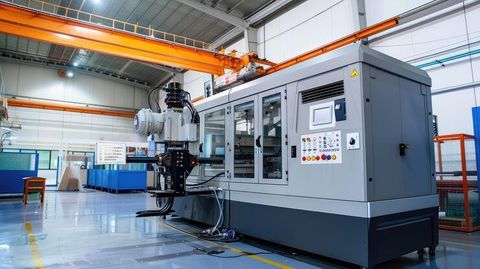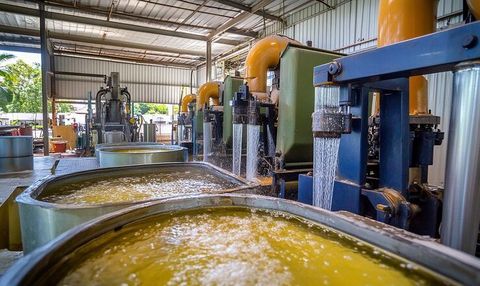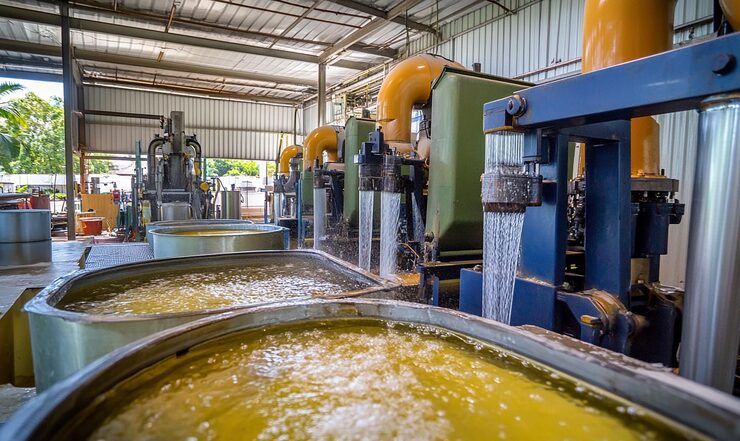
Oil filtering machines are industrial systems designed to remove contaminants, particles, water, and other unwanted substances from oil. They are used in manufacturing facilities, power generation plants, automotive workshops, hydraulic systems, and industrial equipment maintenance.
Oil performs several important functions in machinery. It can reduce friction, transfer heat, protect metal surfaces, and support hydraulic movement. During operation, however, oil may collect dust, metal particles, moisture, oxidation products, and other contaminants that affect its performance.
Industrial oil filtration equipment helps manage these contaminants and maintain suitable oil conditions. Depending on the application, a system may use mechanical filters, vacuum dehydration, centrifugal separation, or other purification methods.
The appropriate technology depends on the oil type, contamination level, operating temperature, required cleanliness, and the equipment manufacturer’s specifications.
Understanding Oil Filtering Machines
Oil filtering machines use different physical processes to separate unwanted materials from oil. Some systems are designed for continuous filtration while machinery operates, whereas others process oil in a separate treatment unit.
Common applications include hydraulic oil systems, turbine lubrication, industrial gearboxes, transformer insulation systems, compressors, and manufacturing equipment.
Typical equipment includes:
Mechanical oil filters: Capture suspended particles using filter media.
Vacuum oil purifiers: Remove moisture and certain volatile contaminants under reduced pressure.
Centrifugal oil separators: Separate materials according to differences in density.
Coalescing filters: Combine small water droplets into larger droplets that can be separated.
Depth filtration systems: Capture contaminants throughout a porous filter medium.
Electrostatic oil cleaners: Use electrical forces to collect certain fine contaminants.
Transformer oil treatment systems: Combine filtration, dehydration, and sometimes degassing.
These machines do not all perform the same function. A particle filter may remove solid contamination without removing dissolved water, while a dehydration system may reduce moisture without capturing every type of fine particle.
How Oil Filtration Works
An industrial oil filtration process typically begins with an assessment of the oil's condition.
Oil assessment: A sample may be examined for particle contamination, moisture, viscosity, acidity, and other relevant characteristics.
Initial filtration: Larger particles and suspended contaminants are removed through a suitable filter medium.
Specialized treatment: Depending on the contamination, the oil may pass through vacuum dehydration, coalescing equipment, centrifugal separation, or another purification stage.
Final filtration: A finer filter may be used to achieve the required particle cleanliness.
Quality verification: Oil samples are tested to determine whether the treatment achieved the intended result.
The final oil condition should be checked against the requirements of the machinery and lubricant manufacturer. Filtration alone cannot reverse every form of chemical degradation or restore all properties of severely deteriorated oil.
Why Oil Filtering Machines Matter
Oil filtration is important because contamination can contribute to machinery wear, corrosion, reduced hydraulic performance, and unplanned equipment downtime.
Protecting Industrial Machinery
Solid particles can damage bearings, pumps, valves, gears, and precision hydraulic components. Water can contribute to corrosion, lubricant degradation, and reduced electrical insulation performance in certain applications.
Maintaining suitable oil cleanliness can help reduce these risks and support consistent equipment operation.
Supporting Industrial Maintenance
Oil filtration is commonly included in preventive and condition-based maintenance programs.
Maintenance teams may monitor oil condition through laboratory testing, online particle counters, moisture sensors, differential-pressure gauges, and equipment inspection records.
These measurements help determine whether filtration is appropriate and whether a machine is operating within its specified limits.
Reducing Oil Waste
In some applications, filtration can extend the usable life of oil that remains chemically and physically suitable for continued use.
However, filtration does not make every used oil suitable for reuse. Oil containing severe oxidation products, incompatible chemicals, or other irreversible degradation may require additional treatment or appropriate disposal.
Selecting an Appropriate Filtration System
Equipment selection should be based on the oil application rather than a machine's headline filtration rating alone.
Important factors include:
Oil type: Hydraulic oil, turbine oil, transformer oil, and engine oil have different requirements.
Viscosity: Oil thickness influences flow rate, filter performance, and operating temperature.
Contamination: Solid particles, free water, dissolved moisture, and oxidation products require different treatments.
Flow rate: The system must process the required oil volume within the available maintenance period.
Filtration rating: The filter's particle-capture performance should match the required cleanliness level.
Operating conditions: Temperature, pressure, and compatibility affect equipment selection.
Maintenance requirements: Filter replacement, cleaning, calibration, and waste handling should be considered.
A suitable filtration system should be evaluated as part of the wider maintenance process, including oil testing and contamination prevention.
Recent Developments in Oil Filtration Technology
During 2025 and 2026, industrial oil management continued to emphasize condition monitoring, energy efficiency, improved separation methods, and predictive maintenance.
Smart Filtration and Condition Monitoring
Industrial facilities increasingly use sensors and monitoring platforms to track particle contamination, moisture, temperature, pressure, and filter condition.
These measurements can help maintenance teams identify changes before contamination causes significant equipment problems. However, sensor readings should be interpreted according to the specific oil, machinery, and measurement method.
Improvements in Transformer Oil Treatment
Transformer oil treatment remains important for electrical power infrastructure. Moisture, particles, and dissolved gases can affect insulating oil performance and provide information about the condition of electrical equipment.
Modern treatment systems may combine vacuum dehydration, filtration, and degassing. The appropriate treatment depends on transformer design, oil condition, and electrical testing results.
Greater Attention to Energy and Resource Efficiency
Industrial operators continue to examine energy consumption, filter replacement frequency, oil recovery, and waste generation when assessing filtration systems.
Efficient filtration depends on matching the treatment process to the actual contamination problem. Excessive filtration or unsuitable treatment can increase energy use without delivering a corresponding improvement in oil condition.
These developments reflect a broader shift toward combining filtration equipment with oil analysis and planned maintenance.
Laws, Standards, and Environmental Policies
Oil filtering machines are affected by environmental, workplace safety, waste management, and industry-specific requirements. The exact rules depend on the country, the oil type, and the facility where the equipment operates.
Used Oil Management in India
In India, used oil management is governed by applicable environmental and hazardous-waste regulations, including the Hazardous and Other Wastes (Management and Transboundary Movement) Rules, 2016, as amended.
The country's Extended Producer Responsibility framework for used oil establishes responsibilities for relevant producers and other regulated entities. Requirements may include registration, collection, recycling, reporting, and compliance with applicable environmental standards.
Facilities should consult the Central Pollution Control Board and their relevant State Pollution Control Board to determine the requirements applicable to their operations.
United States Used Oil Regulations
In the United States, the Environmental Protection Agency's used-oil management standards are set out in federal regulations under 40 CFR Part 279.
These rules address the management of used oil, including storage, transportation, processing, and recycling. Additional state requirements may also apply.
Facilities should determine whether their oil and operations fall within the applicable regulatory definitions before establishing a treatment or disposal procedure.
Workplace and Equipment Safety
Oil filtration equipment can involve hot fluids, pressurized lines, rotating components, electrical systems, and potentially flammable materials.
Appropriate safeguards may include:
Pressure relief devices
Machine guards
Emergency shutdown controls
Spill containment
Suitable ventilation
Electrical protection
Personal protective equipment
Documented inspection and maintenance procedures
Transformer oil and other specialized applications may require additional fire prevention and electrical safety measures.
Tools and Resources for Oil Filtration
Several technical resources can help facilities evaluate oil condition and choose suitable filtration methods.
Oil Analysis Equipment
Oil laboratories and field-testing instruments can measure properties such as viscosity, moisture content, particle contamination, acidity, and oxidation indicators.
Common analytical methods include particle counting, Karl Fischer water determination, and viscosity testing. The appropriate method depends on the oil application and the question being investigated.
Filtration Performance Calculations
Engineers can compare filtration options using flow rate, filter efficiency, contamination levels, and the required oil cleanliness.
A basic processing estimate is:
Processing time = Oil volume ÷ Actual flow rate
For example, processing 1,000 litres at an actual flow rate of 100 litres per hour would require approximately 10 hours of nominal processing time. Actual duration may be longer because of operating interruptions, repeated circulation, filter loading, and the time needed to achieve the required cleanliness.
Technical and Regulatory Resources
Useful resources include:
Central Pollution Control Board guidance on used oil and environmental compliance
US Environmental Protection Agency used-oil regulations
ISO 4406 for reporting the solid-particle contamination level of hydraulic fluids
ISO 16889 for evaluating hydraulic filter performance using a multipass test method
ASTM oil-testing methods for properties such as viscosity, water content, and acidity
Equipment manuals and lubricant specifications
Standards should be selected according to the oil application and the requirements of the equipment manufacturer.
Frequently Asked Questions
What is an oil filtering machine used for?
An oil filtering machine removes contaminants from industrial oil. Depending on its design, it may remove solid particles, separate water, or reduce certain dissolved gases and other contaminants.
What is the difference between oil filtration and oil purification?
Filtration usually focuses on removing particles through a filter medium. Oil purification is a broader term that can include filtration, dehydration, degassing, and other treatments designed to improve oil condition.
Can filtered oil be reused?
Oil may be reused when testing confirms that its properties remain suitable for the intended application and the relevant requirements permit reuse. Filtration does not necessarily remove all degradation products or restore chemically damaged oil.
How often should an oil filtering machine be maintained?
Maintenance frequency depends on operating hours, contamination levels, filter loading, oil type, and manufacturer instructions. Differential pressure, flow rate, and inspection records can help determine when maintenance is required.
Which oil filtration system is appropriate for industrial machinery?
The appropriate system depends on the oil type, contamination, required cleanliness, viscosity, flow rate, and operating conditions. Oil analysis and equipment specifications should guide the selection.
Conclusion
Oil filtering machines support industrial reliability by helping control contamination in hydraulic systems, lubrication circuits, transformers, and other equipment. Mechanical filters, vacuum purifiers, centrifugal separators, and specialized treatment systems address different types of contamination.
Modern oil management increasingly combines filtration equipment with laboratory analysis, condition monitoring, and preventive maintenance. Selecting the appropriate technology requires understanding the oil's condition, the machinery's requirements, and the limitations of each treatment method.
Environmental compliance, safe handling, and proper waste management are also essential. When filtration is supported by suitable testing and maintenance practices, it can help preserve usable oil, reduce avoidable contamination-related wear, and support more consistent industrial operations.