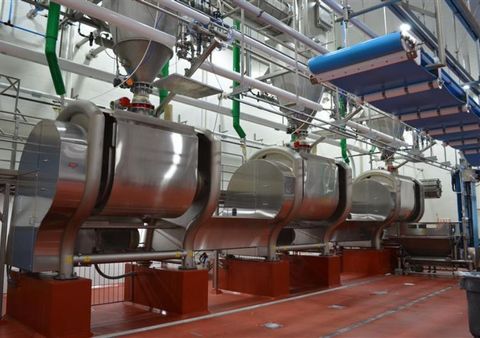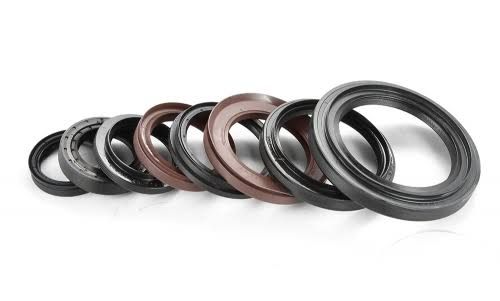
Oil seal manufacturing is an important industrial process used to produce sealing components that help retain lubricants and prevent contaminants.
These seals are widely used in automotive components, pumps, motors, gearboxes, hydraulic systems, agricultural equipment, and industrial machinery.
Modern production combines specialized rubber compounds, precision molds, controlled vulcanization, automated inspection, and dimensional testing. The right manufacturing approach depends on operating temperature, pressure, shaft speed, fluid compatibility, and the mechanical environment.
What Is Oil Seal Manufacturing?
Oil seal manufacturing involves producing sealing components designed to maintain lubrication around rotating or reciprocating shafts. An oil seal generally creates a controlled contact area between the sealing lip and shaft surface.
The manufacturing process must maintain accurate dimensions and consistent material properties. Even small variations in lip geometry, hardness, or inner diameter can affect sealing performance.
What Is an Oil Seal?
An oil seal typically consists of several functional elements:
- Elastomeric sealing lip
- Metal reinforcing case
- Garter spring in many designs
- Sealing edge
- Outer sealing surface
- Protective or dust lip in selected designs
The sealing lip maintains contact with the shaft while the outer section fits into the housing. The design creates a barrier against lubricant leakage and environmental contamination.
Types of Oil Seals
Different mechanical systems require different seal designs and materials.
Radial Shaft Seals
Radial shaft seals are commonly used around rotating shafts. They are found in gearboxes, motors, pumps, transmissions, and other rotating equipment.
Rubber Oil Seals
Rubber oil seals use elastomeric materials selected according to temperature, fluid, speed, and environmental conditions. NBR is widely used for general petroleum-based lubricant applications.
Hydraulic Oil Seals
Hydraulic seals are designed for systems exposed to fluid pressure and reciprocating or dynamic movement. Their geometry and material selection differ from conventional low-pressure shaft seals.
Rotary Shaft Seals
Rotary shaft seals are engineered for continuous shaft rotation. Lip geometry, shaft surface condition, lubrication, and rotational speed are important performance factors.
High-Temperature Oil Seals
High-temperature designs use materials capable of maintaining suitable mechanical properties under elevated temperatures. FKM is commonly considered when higher temperature and chemical resistance are required.
Materials Used in Oil Seal Manufacturing
Material selection directly affects durability, chemical compatibility, temperature resistance, and sealing behavior.
| Material | General Characteristics | Typical Applications |
|---|---|---|
| NBR | Good general oil resistance | Automotive, gearboxes, industrial machinery |
| FKM | High temperature and chemical resistance | Engines, pumps, demanding industrial equipment |
| Silicone | Broad temperature capability | Specialized automotive and industrial uses |
| EPDM | Good resistance to water and some chemicals | Water-related applications |
| PTFE | Low friction and strong chemical resistance | High-performance sealing applications |
| Polyurethane | High wear resistance | Dynamic and hydraulic applications |
The selected material should match the operating fluid and environment rather than being chosen solely based on general durability.
Oil Seal Manufacturing Process
A controlled production sequence helps maintain consistent sealing characteristics.
1. Rubber Compound Preparation
Raw elastomers are combined with additives, fillers, curing agents, and other formulation components. Mixing equipment produces a homogeneous compound with the required mechanical and chemical properties.
The compound is then prepared for molding or forming.
2. Metal Case Preparation
Many oil seals incorporate a metal case that provides structural support. Steel or other suitable materials can be formed through stamping, pressing, or related metalworking processes.
The metal components may undergo cleaning or surface treatment before assembly.
3. Molding
The prepared rubber compound is placed into precision molds. Compression molding, transfer molding, or injection molding can be used depending on the design and production requirements.
Mold geometry determines important characteristics such as:
- Lip profile
- Outer diameter
- Inner diameter
- Groove configuration
- Dust-lip geometry
- Overall seal dimensions
4. Vulcanization
Controlled heat and pressure cause the rubber compound to cure and develop its required properties. Temperature, pressure, curing time, and compound formulation must be carefully controlled.
Incorrect curing can affect hardness, elasticity, compression behavior, and long-term sealing performance.
5. Spring Installation
Some oil seals use a garter spring to maintain radial sealing force. The spring is installed around the sealing lip according to the specified design.
Automated equipment can improve consistency during high-volume production.
6. Trimming and Finishing
Excess elastomer or molding flash is removed after curing. Precision trimming helps achieve the specified geometry and provides a cleaner sealing edge.
Automated trimming equipment may be used for repetitive production requirements.
7. Surface Treatment
Certain applications require specialized surface treatments or coatings. These can influence friction, wear resistance, chemical compatibility, or installation characteristics.
The treatment must be compatible with both the seal material and operating environment.
8. Inspection and Testing
Finished seals undergo dimensional, visual, and material inspections. More advanced production environments may also perform leakage, torque, friction, pressure, temperature, and durability testing.
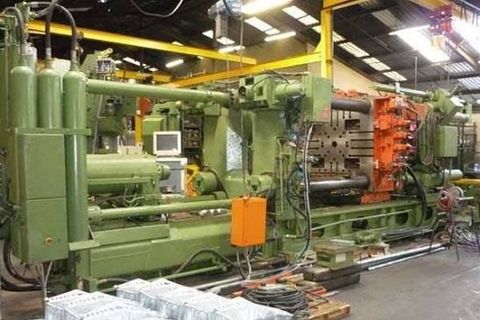
Equipment Used in Oil Seal Production
Production equipment varies according to seal design, material, and production volume.
| Equipment | Main Function |
|---|---|
| Rubber Mixing Machine | Prepares elastomer compounds |
| Rubber Injection Molding Machine | Forms rubber components |
| Compression Molding Press | Produces molded seal profiles |
| Metal Stamping Equipment | Forms reinforcing cases |
| Vulcanization Equipment | Cures rubber compounds |
| Spring Assembly Machine | Installs garter springs |
| Trimming Equipment | Removes molding flash |
| Dimensional Inspection Systems | Checks critical dimensions |
| Leakage Testing Equipment | Evaluates sealing performance |
| Hardness Tester | Measures rubber hardness |
Automation can connect multiple stages into a controlled production workflow.
Applications of Oil Seals
Oil seals are used across numerous industrial sectors.
Automotive
Common applications include:
- Engine components
- Transmission systems
- Wheel hubs
- Axles
- Steering systems
- Pumps
- Drive systems
Industrial Machinery
Industrial oil seals can be found in:
- Gearboxes
- Electric motors
- Pumps
- Compressors
- Machine tools
- Conveyors
- Industrial drives
Agriculture and Construction
Heavy equipment often operates in environments containing dust, moisture, mud, and high mechanical loads. Properly selected seals help protect lubricated components from these external conditions.
Hydraulic and Pneumatic Equipment
Specialized sealing components are used around moving shafts, rods, pistons, and other dynamic elements. Material and geometry must correspond with pressure, fluid, movement, and temperature requirements.
Quality Control in Oil Seal Manufacturing
Quality control is essential because sealing performance depends on several interacting variables.
Dimensional Inspection
Important dimensions include:
- Inner diameter
- Outer diameter
- Seal width
- Lip geometry
- Spring position
- Case dimensions
Coordinate measuring equipment, optical systems, gauges, and automated vision inspection can be incorporated into production.
Material Testing
Manufacturers may evaluate:
- Hardness
- Tensile strength
- Elongation
- Compression set
- Aging characteristics
- Fluid resistance
- Temperature resistance
Leakage and Performance Testing
Dynamic testing can evaluate how a seal behaves under controlled shaft speed, temperature, pressure, lubricant, and operating time.
These tests help identify leakage, excessive friction, lip wear, or other performance problems.
Factors Affecting Oil Seal Performance
Several conditions influence how effectively an oil seal operates.
Shaft Surface
Surface roughness, hardness, runout, and surface condition can affect lip wear and lubricant retention.
Temperature
The operating temperature must remain within the suitable range of the selected material. Excessive heat can accelerate material degradation.
Pressure
Higher pressure can require a different seal geometry or specialized design. Pressure limits should be evaluated together with shaft speed and temperature.
Shaft Speed
Rotational speed affects friction, heat generation, and lip wear. High-speed applications may require specialized materials and geometries.
Fluid Compatibility
Lubricants, hydraulic fluids, fuels, chemicals, and other media can interact differently with elastomers. Material compatibility should therefore be evaluated before selecting a seal.
Installation
Incorrect installation can damage the sealing lip, distort the seal, or create premature leakage. Proper alignment, lubrication, tools, and shaft condition are important.
Automation in Oil Seal Production
Modern oil seal manufacturing increasingly incorporates automation and digital inspection.
Automated systems can assist with:
- Compound handling
- Injection molding
- Spring installation
- Flash trimming
- Visual inspection
- Dimensional measurement
- Leakage testing
- Production traceability
Machine vision can identify defects such as molding imperfections, damaged lips, missing components, and dimensional irregularities.
Process monitoring can also help identify deviations before they affect larger production batches.
How to Evaluate Oil Seal Manufacturers
When evaluating oil seal manufacturers, consider technical capabilities rather than focusing on a single specification.
Important factors include:
- Material formulation capabilities
- Mold design and precision
- Manufacturing capacity
- Dimensional control
- Testing facilities
- Quality management systems
- Custom seal development
- Application engineering knowledge
- Traceability systems
- Production automation
A manufacturer should be able to explain how its production process addresses the temperature, pressure, speed, fluid, and dimensional requirements of the intended application.
Maintenance and Handling of Oil Seals
Proper storage and installation can help maintain seal performance.
Recommended practices include:
- Store seals in a clean, dry environment.
- Protect elastomeric components from excessive heat and direct sunlight.
- Avoid unnecessary deformation during storage.
- Keep sealing lips protected from dust and sharp surfaces.
- Inspect shafts and housings before installation.
- Use appropriate installation tools.
- Avoid damaging the lip during assembly.
- Verify alignment after installation.
- Follow the equipment manufacturer's installation specifications.
Frequently Asked Questions
What materials are commonly used in oil seal manufacturing?
NBR, FKM, silicone, EPDM, PTFE, and polyurethane are among the materials used for different applications. Selection depends on temperature, fluid compatibility, pressure, speed, and environmental conditions.
What machinery is used for oil seal production?
Common equipment includes rubber mixing systems, molding machines, vulcanization equipment, metal forming equipment, spring assembly machines, trimming equipment, and inspection systems.
What is the most important factor in selecting an oil seal material?
Fluid compatibility is one important factor, but material selection should also consider operating temperature, pressure, shaft speed, wear conditions, and environmental exposure.
How does vulcanization affect oil seals?
Vulcanization creates the cross-linked rubber structure needed for the seal's mechanical properties. Proper curing influences elasticity, hardness, compression behavior, and durability.
Why is quality control important in oil seal manufacturing?
Small variations in dimensions, lip geometry, material properties, or assembly can influence sealing performance. Consistent inspection and testing help identify these variations during production.
Conclusion
Oil seal manufacturing combines elastomer formulation, precision molding, metal component production, vulcanization, assembly, finishing, and quality testing. The final seal must be designed around the operating conditions of the equipment rather than treated as a universal component.
Material compatibility, shaft condition, temperature, pressure, rotational speed, seal geometry, and installation practices all contribute to performance. Modern automation, precision molding, machine vision, and advanced testing are helping manufacturers achieve more consistent production quality.