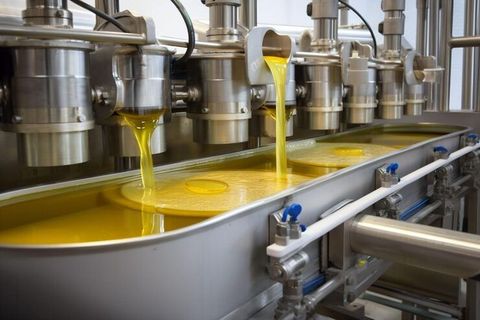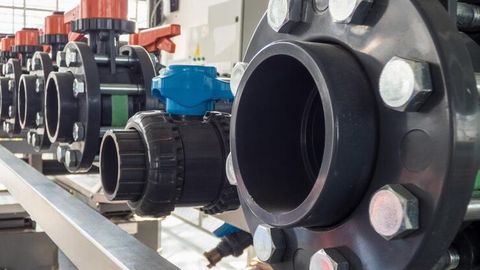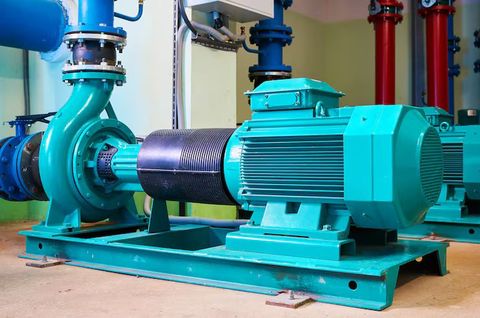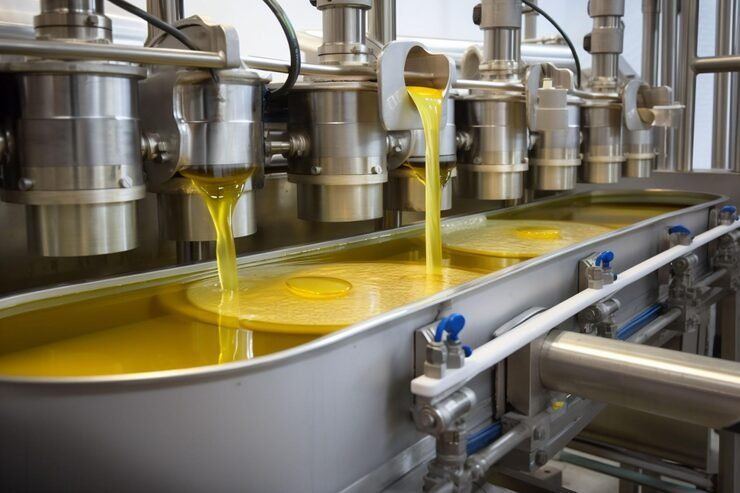
Oilseed processing machinery consists of industrial equipment used to clean, prepare, crush, press, extract, filter, and process oil-bearing seeds into vegetable oils, oilseed meals, and other useful products. Common feedstocks include soybean, sunflower, rapeseed, canola, peanut, sesame, cottonseed, and other oil-bearing crops.
Modern processing facilities combine mechanical equipment, thermal systems, separation technologies, and automated controls to achieve consistent processing conditions.
What Is Oilseed Processing Machinery?
Oilseed processing machinery refers to the equipment used throughout the conversion of oil-bearing seeds into crude oil and solid by-products.
A typical processing line may include:
Seed cleaning systems
Destoners and separators
Seed dehulling machines
Conditioners and cookers
Flaking mills
Oilseed presses
Solvent extraction systems
Filtration equipment
Oil clarification systems
Meal processing equipment
Storage and conveying systems
The equipment configuration depends on the seed variety, production capacity, extraction method, and required final products.
Major Oilseed Processing Technologies
Seed Cleaning and Separation
Cleaning systems remove stones, dust, metal particles, plant debris, and other foreign materials from incoming seeds. Screens, aspiration systems, magnets, and gravity separators can be combined for effective preparation.
Dehulling
Some oilseeds undergo dehulling to remove outer hull material before further processing. Dehulling can improve downstream processing efficiency and change the characteristics of the resulting meal.
Conditioning and Cooking
Heat and moisture can be applied to prepared seeds before mechanical pressing or extraction. Controlled conditioning influences seed structure and oil release.
Flaking
Flaking mills compress seeds between rollers to produce thin flakes. Increased surface area can facilitate subsequent oil extraction.
Mechanical Pressing
Oilseed presses apply mechanical pressure to prepared seeds to separate oil from solid material. Screw presses are commonly used in mechanical extraction systems.
Solvent Extraction
Solvent extraction uses a suitable solvent to recover oil from prepared oilseed material. Industrial extraction systems are designed around controlled contact, separation, solvent recovery, and safety requirements.
Major Types of Oilseed Processing Machines
| Machine Type | Primary Function | Typical Processing Stage |
|---|---|---|
| Seed Cleaner | Removes foreign materials | Cleaning |
| Destoner | Separates stones | Cleaning |
| Dehuller | Removes seed hulls | Preparation |
| Conditioner | Controls heat and moisture | Conditioning |
| Flaking Mill | Produces thin seed flakes | Preparation |
| Screw Press | Mechanically extracts oil | Pressing |
| Extractor | Recovers oil using solvent | Extraction |
| Filter | Removes suspended solids | Oil clarification |
| Evaporator | Removes recovered solvent | Solvent recovery |
| Meal Dryer | Conditions oilseed meal | Meal processing |
Oilseed Processing Production Process
The exact workflow varies by crop and extraction method, but an industrial process commonly follows several stages.
1. Seed Receiving
Oilseeds arrive at the processing facility and are unloaded into receiving systems. Sampling and inspection can evaluate moisture, impurities, and general raw-material quality.
2. Cleaning
The seeds pass through screens, aspiration systems, magnets, and other separation equipment to remove foreign material.
3. Dehulling and Preparation
Where required, hulls are removed and the seeds are prepared for downstream processing.
4. Conditioning
Controlled heating and moisture adjustment prepare the seeds for flaking and extraction.
5. Flaking
Prepared seeds pass through flaking rolls that reduce thickness and increase surface area.
6. Oil Extraction
Depending on the facility, oil can be recovered through mechanical pressing, solvent extraction, or a combination of processes.
7. Filtration and Clarification
Crude oil contains suspended solids and other materials that may need to be separated through settling, filtration, centrifugation, or other clarification technologies.
8. Meal Processing
The remaining solid material can be conditioned, dried, cooled, and prepared for subsequent applications.
9. Storage and Transfer
Processed oil and meal are transferred to appropriate storage systems using pumps, conveyors, tanks, and other material-handling equipment.
Automation in Oilseed Processing
Modern industrial oilseed processing equipment can incorporate automation throughout the production line.
Common technologies include:
PLC-based control systems
Temperature sensors
Moisture sensors
Pressure monitoring
Flow meters
Automated valves
Variable-frequency drives
Process monitoring software
Automated material handling
Data logging
Automation can help coordinate seed preparation, extraction, filtration, storage, and other processing stages.
Global Manufacturers and Suppliers
The global oilseed processing machinery sector includes companies specializing in individual machines and complete processing plants. Suppliers may focus on seed preparation, mechanical pressing, solvent extraction, filtration, refining, material handling, or integrated oilseed processing systems.
When evaluating manufacturers and suppliers, consider:
Oilseed compatibility
Processing capacity
Extraction technology
Energy requirements
Automation capabilities
Equipment footprint
Safety systems
Maintenance requirements
Spare-parts availability
Production-line integration
Equipment should be selected according to the specific oilseed, desired oil recovery, product specifications, and facility requirements.
Industrial Applications
Oilseed processing machinery is used across food, agriculture, feed, and industrial processing sectors.
Soybean Processing
Soybeans can undergo cleaning, preparation, flaking, solvent extraction, oil clarification, and meal processing.
Sunflower Seed Processing
Sunflower seeds may be cleaned, dehulled, conditioned, pressed, extracted, and processed into oil and meal.
Rapeseed and Canola Processing
These oilseeds can be prepared through cleaning, conditioning, flaking, pressing, extraction, and subsequent oil processing.
Peanut Processing
Peanuts can be cleaned, conditioned, mechanically pressed, or processed through other extraction technologies depending on the production system.
Sesame Processing
Sesame seeds can be cleaned and mechanically processed to recover edible oil and produce solid residues.
How to Select Oilseed Processing Machinery
Choosing suitable machinery requires evaluating the entire production system.
1. Identify the oilseed: Different seeds have different physical properties and oil content.
2. Define production capacity: Establish the required seed throughput and expected operating schedule.
3. Select extraction technology: Determine whether mechanical pressing, solvent extraction, or a combined process is appropriate.
4. Evaluate preparation requirements: Cleaning, dehulling, conditioning, and flaking requirements depend on the feedstock.
5. Consider automation: Determine the appropriate level of process control and monitoring.
6. Review energy requirements: Heating, pressing, extraction, pumping, and ventilation systems contribute to energy consumption.
7. Assess safety: Particularly for solvent-based systems, process safety, ventilation, monitoring, and appropriate equipment design are essential.
8. Plan maintenance: Evaluate wear components, cleaning requirements, access to equipment, and spare-parts availability.
Frequently Asked Questions
What machines are used in oilseed processing?
Common machines include seed cleaners, destoners, dehullers, conditioners, flaking mills, screw presses, solvent extraction systems, filters, dryers, conveyors, and storage equipment.
What is oilseed processing machinery used for?
It is used to convert oil-bearing seeds into crude vegetable oils, oilseed meals, and other processed materials through cleaning, preparation, extraction, separation, and handling processes.
What is the difference between mechanical pressing and solvent extraction?
Mechanical pressing uses physical pressure to recover oil from prepared seeds. Solvent extraction uses a solvent to recover additional oil from prepared oilseed material under controlled industrial conditions.
Which oilseeds can be processed using this machinery?
Equipment can be configured for soybean, sunflower, rapeseed, canola, peanut, sesame, cottonseed, and other oil-bearing crops, depending on machine design and process requirements.
What factors affect oilseed processing machinery selection?
Oilseed type, throughput, oil content, extraction method, desired recovery, automation, energy requirements, safety considerations, facility layout, and maintenance requirements all influence equipment selection.
Conclusion
Oilseed processing machinery combines cleaning, preparation, conditioning, flaking, pressing, extraction, filtration, drying, and material-handling technologies. Processing facilities can use mechanical pressing, solvent extraction, or integrated systems depending on the oilseed and desired production characteristics.
Understanding processing technologies, machine types, production stages, automation, safety considerations, and supplier requirements provides a foundation for developing an oilseed processing system suited to specific production objectives.