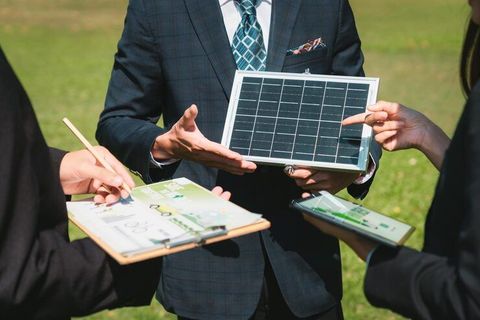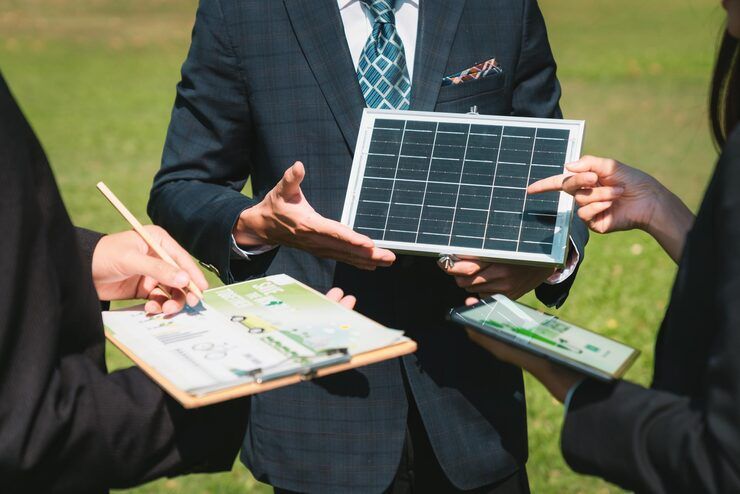
Solar energy is energy obtained from the radiation produced by the sun. It is one of the most widely discussed renewable energy sources because sunlight is available across much of the world and can be converted into electricity or heat for different applications.
A solar energy system can be as small as a rooftop installation for a home or as large as a utility-scale solar farm supplying electricity to a broad region. The basic concept remains the same: capture energy from sunlight and convert it into a useful form.
Solar technology has developed considerably over the past several decades. Improvements in solar panels, energy storage, inverters, monitoring systems, and installation methods have made solar power suitable for residential, commercial, agricultural, industrial, and public applications.
How Does Solar Energy Work?
Solar energy can be converted into electricity primarily through photovoltaic technology. Solar panels contain photovoltaic cells that respond to sunlight and generate direct current electricity.
Because most buildings and electrical networks use alternating current, an inverter is normally used to convert the electricity into a usable form. The electricity can then power appliances, equipment, lighting, heating and cooling systems, or other electrical loads.
A typical solar electricity system includes several important components:
- Solar panels: Capture sunlight and generate direct current electricity.
- Inverter: Converts direct current into alternating current.
- Mounting structure: Positions the panels securely and at an appropriate angle.
- Electrical protection equipment: Helps protect the system and connected equipment.
- Monitoring system: Tracks electricity generation and system performance.
- Battery storage: Stores excess electricity for later use when included in the system.
Solar thermal technology works differently. Instead of converting sunlight directly into electricity, it captures solar heat for applications such as water heating and space heating.
Main Types of Solar Energy Systems
Solar systems can be designed according to how electricity is generated, stored, and connected to the electrical grid.
Grid-Connected Solar Systems
A grid-connected system operates alongside the local electricity network. Solar panels generate electricity during suitable daylight conditions, while the grid can provide electricity when solar generation is insufficient.
This arrangement is commonly used for homes, offices, commercial buildings, and other properties that already have access to an electricity network.
Off-Grid Solar Systems
An off-grid system operates independently of the conventional electricity grid. Batteries are generally important because electricity may be needed after sunset or during periods when sunlight is limited.
These systems can be useful for remote buildings, agricultural facilities, communication equipment, and locations where grid access is limited.
Hybrid Solar Systems
Hybrid systems combine solar generation with battery storage and, depending on the design, grid electricity or another backup source. The system can use stored electricity when solar generation is unavailable or when electricity demand is higher than current solar production.
Hybrid designs are increasingly relevant where users want greater control over when solar-generated electricity is consumed.
Benefits of Solar Energy
Solar energy has several characteristics that make it important in modern energy planning.
Renewable Energy Source
Sunlight is naturally replenished, unlike finite fossil fuel resources. Solar power therefore forms an important part of renewable energy strategies.
Reduced Dependence on Conventional Electricity
Generating electricity locally can reduce reliance on electricity supplied entirely from conventional power generation. The actual effect depends on system size, energy consumption, weather conditions, and the local electricity network.
Lower Operational Emissions
Solar photovoltaic systems generate electricity without directly burning fuel during operation. This can help reduce operational greenhouse gas emissions compared with electricity generated from fossil fuels.
Scalable Technology
Solar installations can be designed for different requirements. A small system may support basic household electricity needs, while larger installations can serve factories, offices, farms, institutions, and electricity networks.
Useful for Remote Applications
Solar power can provide electricity in locations where extending conventional electricity infrastructure is difficult or impractical. When combined with battery storage, it can support equipment that needs electricity beyond daylight hours.
Solar Energy for Homes and Buildings
Residential solar energy commonly involves rooftop solar panels connected to household electrical systems. The electricity generated can be used for lighting, appliances, electronics, cooling, water heating, and other loads.
Before installing a system, several factors need to be considered. Roof orientation, available roof area, shading, structural condition, local sunlight conditions, electricity consumption, and applicable regulations can all affect system design.
Buildings with predictable daytime electricity demand may use a significant portion of their solar generation directly. Battery storage can change the timing of electricity use by storing some generated energy for later.
Solar energy can also be integrated into commercial buildings. Offices, warehouses, schools, hospitals, retail buildings, and industrial facilities may use rooftop or ground-mounted systems depending on available space and electricity requirements.
Solar Energy Storage
One of the important developments in solar power is the increasing use of battery storage.
Solar panels generate electricity primarily when sunlight is available, but electricity demand does not always follow the same pattern. Batteries help address this difference by storing electricity and making it available later.
Energy storage can improve the flexibility of a solar system, particularly for evening electricity consumption or backup applications. However, battery performance depends on factors such as battery chemistry, operating temperature, charging patterns, system configuration, and maintenance requirements.
Storage should therefore be considered as part of the overall energy system rather than as a separate component.
Factors That Affect Solar Performance
Solar panels do not generate the same amount of electricity every day. Weather and environmental conditions can significantly influence output.
The amount of sunlight received is one of the most important factors. Cloud cover, shading from trees or nearby structures, dust accumulation, panel orientation, temperature, and system design can also affect electricity generation.
Panel efficiency is another consideration. Higher efficiency allows more electricity to be generated from a given area under suitable conditions, although overall system performance depends on more than panel efficiency alone.
Regular monitoring can help identify unusual changes in electricity generation. Cleaning requirements vary according to local environmental conditions, rainfall, dust, and the installation's surroundings.
Solar Energy in Agriculture and Industry
Solar energy has applications beyond residential buildings. Agriculture can use solar power for water pumping, irrigation equipment, lighting, ventilation, refrigeration, and other electrical requirements.
Industrial facilities can use solar electricity to support machinery, lighting, HVAC systems, process equipment, and office operations. Large facilities may have greater opportunities for solar generation because of their available roof or ground space and substantial electricity demand.
Solar thermal technologies can also support applications requiring heat rather than electricity, depending on temperature requirements and system design.
Environmental and Practical Considerations
Solar energy is generally associated with lower operational emissions, but a complete understanding of its environmental impact requires consideration of the entire lifecycle.
Solar panels require raw materials, manufacturing, transportation, installation, and eventual recycling or disposal. Manufacturing processes also require energy and resources.
End-of-life management is becoming increasingly important as more solar panels reach the later stages of their operating life. Recycling technologies and improved material recovery can help manage solar equipment responsibly.
For users considering solar power, the most appropriate system depends on electricity consumption, available space, local conditions, technical requirements, and the intended purpose of the installation.
The Future of Solar Energy
Solar energy is expected to remain an important part of the global transition toward more diverse and renewable electricity systems.
Future development is likely to involve improvements in photovoltaic efficiency, battery storage, energy management software, grid integration, and manufacturing processes. New approaches such as building-integrated photovoltaics, floating solar installations, agrivoltaics, and advanced solar materials are also expanding the possible applications of solar technology.
Artificial intelligence and digital monitoring can further improve how solar systems are operated by helping analyze generation patterns, identify performance changes, and coordinate solar generation with energy storage and electricity demand.
Conclusion
Solar energy has evolved from a specialized renewable technology into an important component of modern electricity generation. Its applications range from residential rooftops and commercial buildings to farms, industrial facilities, remote installations, and large solar power plants.
Understanding how solar panels work, how electricity is stored, what affects system performance, and where different solar technologies are appropriate can help users make better-informed energy decisions.
The most suitable solar solution is not necessarily the largest or most technologically advanced system. It is the system that matches the building, energy demand, local conditions, available space, and intended use. As solar generation, battery storage, and smart energy technologies continue to develop, solar power is likely to become an increasingly integrated part of how electricity is generated and managed.