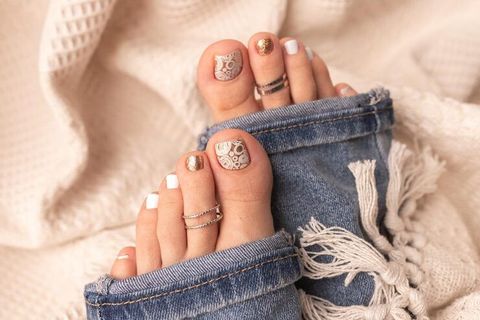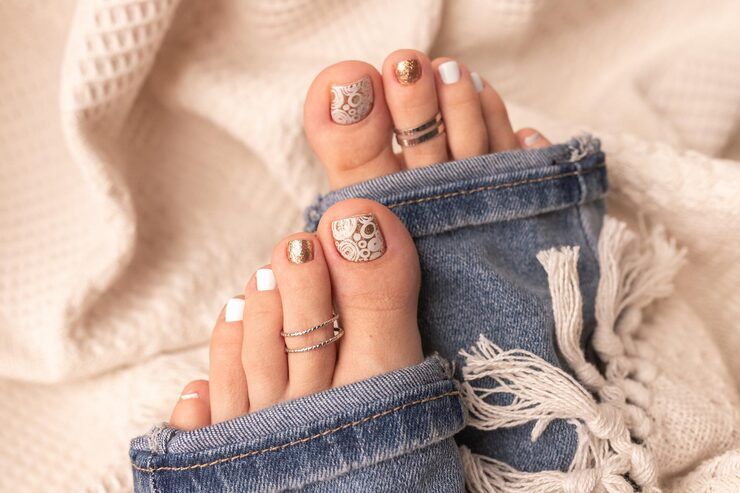
Toe rings are small jewellery pieces designed to be worn around one or more toes. They are available in many forms, including simple bands, adjustable designs, gemstone styles, engraved patterns, and decorative pieces influenced by different cultural traditions.
Unlike finger rings, toe rings must accommodate the shape and movement of the toes. Their design therefore requires attention to width, flexibility, surface finish, weight, and fit.
Toe rings have appeared in jewellery traditions across several regions for centuries. In South Asia, they have cultural and ceremonial associations, while in Western fashion they have often been associated with summer clothing, beachwear, and contemporary personal styling.
Today, toe rings are part of a broader jewellery category that includes fine jewellery, fashion jewellery, sterling silver rings, gold jewellery, and gemstone accessories.
Common Toe Ring Designs
Modern designs range from minimal bands to decorative pieces.
Common styles include:
Plain polished bands
Adjustable open-band rings
Hammered metal designs
Floral and geometric patterns
Gemstone toe rings
Engraved designs
Layered toe-ring combinations
Beaded designs
Linked toe-ring styles
Traditional cultural designs
Adjustable designs can accommodate small differences in toe shape, while fixed bands generally require more precise sizing.
Materials Used in Toe Rings
Material selection affects appearance, durability, maintenance, and skin compatibility.
| Material | General Characteristics | Typical Use |
|---|---|---|
| Sterling silver | Bright appearance and relatively lightweight | Everyday jewellery |
| Gold | Durable precious metal with multiple purity levels | Fine jewellery |
| Platinum | Dense, durable and naturally white | Premium jewellery |
| Stainless steel | Resistant to corrosion and relatively durable | Contemporary designs |
| Titanium | Lightweight and highly resistant to corrosion | Modern jewellery |
| Brass | Warm metallic appearance | Decorative designs |
| Gemstones | Adds color and visual detail | Decorative toe rings |
Metal purity markings and material declarations can vary between jurisdictions, so buyers and jewellery professionals should check the applicable local requirements.
Why Toe Rings Matter Today
Toe rings combine personal style with cultural, traditional, and practical considerations. Their small size makes them relatively simple jewellery pieces, but fit and material selection remain important for comfortable use.
Fashion and Personal Style
Toe rings can complement sandals, open footwear, beachwear, casual clothing, or minimalist jewellery combinations.
Current styling approaches often favor subtle designs rather than highly elaborate pieces. Thin bands can create a simple appearance, while multiple rings can produce a more decorative look.
Toe rings can also be coordinated with:
Anklets
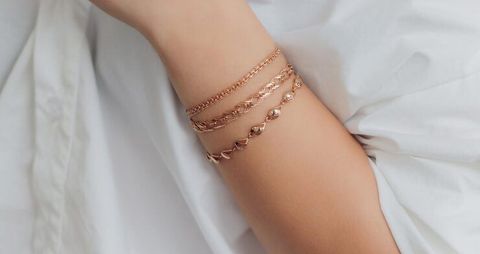
Bracelets
Finger rings
Pendant jewellery
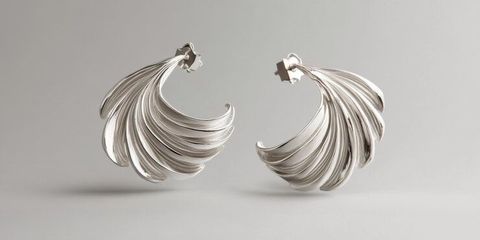
Earrings
Footwear
Nail styling
Cultural Significance
In some cultures, toe rings have symbolic or traditional meanings. Their significance can vary considerably by region, community, family tradition, and occasion.
It is therefore useful to distinguish cultural use from contemporary fashion use. A design that appears purely decorative in one market may have a deeper social or ceremonial meaning in another.
Comfort and Fit
Toe rings are worn on a part of the body that moves frequently and experiences pressure from footwear and walking.
An appropriate design should allow natural movement without creating excessive pressure.
Important considerations include:
Toe circumference
Ring width
Inner surface smoothness
Adjustability
Metal thickness
Footwear compatibility
Daily activity
Climate and moisture exposure
Recent Toe Ring Trends and Developments
Jewellery preferences continued to evolve during 2025 and 2026, with broader fashion trends influencing small accessories such as toe rings.
Minimal Jewellery Continues to Influence Styling
Minimal jewellery has remained relevant across fashion markets, encouraging designs with clean shapes, thin profiles, and restrained decoration.
For toe rings, this trend can be seen in simple bands, narrow geometric forms, and understated metallic finishes.
Personalization and Symbolic Designs
Personalized jewellery continues to influence accessory design. Small engraved details, initials, birth-related symbols, nature motifs, and geometric patterns can be incorporated into compact jewellery pieces.
For toe rings, personalization is generally easier to achieve with wider surfaces or adjustable designs.
Mixed-Metal Styling
Combining different metallic appearances has become a common styling approach across jewellery categories.
A wearer may combine silver-toned, gold-toned, or darker metallic pieces to create contrast. The approach can also extend across toe rings, anklets, bracelets, and other accessories.
Responsible Jewellery Discussions
Environmental and ethical considerations have become increasingly visible across the international jewellery industry.
Topics include:
Recycled precious metals
Responsible gemstone sourcing
Supply-chain transparency
Material traceability
Product durability
Repair and reuse
Jewellery recycling
These developments affect the wider jewellery industry rather than toe rings alone.
Digital Jewellery Research
Online jewellery research has also become more visual and interactive. Customers can compare styles, materials, dimensions, and sizing information before making decisions.
Digital catalogues, product visualization tools, and mobile-friendly sizing guides have become useful resources for jewellery research.
Global Laws, Standards and Policies
Toe rings are generally regulated under broader jewellery, consumer-protection, product-safety, and precious-metal rules rather than through regulations created specifically for toe rings.
Requirements differ between countries and may depend on material, precious-metal content, gemstone use, labeling, and import status.
Precious-Metal Marking
Countries and regions may have rules concerning descriptions of gold, silver, platinum, and other precious metals.
For example, the United Kingdom has hallmarking requirements for certain precious-metal articles, while the European Union has country-specific requirements and consumer rules covering jewellery and product information.
In the United States, the Federal Trade Commission provides guidance concerning the marketing and description of jewellery and precious metals.
Nickel and Skin-Contact Requirements
Jewellery that remains in prolonged contact with skin can be affected by chemical-safety requirements.
The European Union's REACH framework restricts the release of nickel from certain articles that come into prolonged contact with the skin. Such requirements can be relevant to jewellery components containing nickel.
Manufacturers and importers should verify the requirements applicable to their target market rather than assuming that one standard applies worldwide.
Gemstone and Material Declarations
Where toe rings contain gemstones or precious metals, accurate material descriptions are important.
Depending on the jurisdiction, requirements may address:
Metal purity
Gemstone descriptions
Country-of-origin information
Product labeling
Weight or composition
Chemical restrictions
Consumer protection
Businesses involved in international jewellery distribution should consult the relevant national authorities and recognized jewellery standards organizations.
Tools and Resources for Toe Rings
Several resources can help with jewellery research, sizing, material identification, and care.
Useful Resources
Ring sizing charts: Help estimate appropriate dimensions from measured finger or toe circumference.
Digital calipers: Useful for measuring ring width, thickness, and opening dimensions.
Jewellery loupe: Helps inspect small markings, surface details, and gemstone settings.
Metal-testing equipment: Used by qualified professionals to assess metal composition.
Jewellery care guides: Explain cleaning, storage, and handling practices.
Hallmark databases: Help interpret precious-metal marks in participating markets.
Gemstone reference guides: Provide information about gemstone characteristics and treatments.
Jewellery CAD software: Used to develop and visualize detailed ring designs.
3D modelling tools: Help evaluate proportions and decorative elements before manufacturing.
Consumer-protection websites: Provide information about labeling and product regulations in individual markets.
Basic Toe Measurement
Toe circumference can be measured using a flexible measuring strip or a piece of non-stretch material.
A simple process is:
Wrap the measuring material around the intended toe.
Keep it comfortable rather than tightly compressed.
Mark where the ends meet.
Measure the resulting length.
Compare the measurement with a relevant sizing chart.
Consider whether the design is adjustable or fixed.
Measurements can vary between toes, so a ring intended for one toe should not automatically be sized according to another.
Frequently Asked Questions
What is a toe ring?
A toe ring is a small ring-shaped jewellery piece designed to be worn around a toe. It can be decorative, cultural, symbolic, or part of a personal fashion style.
Are toe rings usually adjustable?
Many contemporary toe rings use an open or adjustable structure. However, fixed-band designs are also available and generally require more precise measurement.
Which materials are commonly used for toe rings?
Common materials include sterling silver, gold, stainless steel, titanium, brass, and other metal alloys. Some designs also incorporate gemstones or decorative elements.
How should a toe ring fit?
A toe ring should remain comfortably positioned without excessive pressure, slipping continuously, or restricting normal movement. Footwear and daily activity should also be considered when selecting a design.
Are toe rings regulated internationally?
There is no single worldwide toe-ring regulation. Jewellery may be affected by national rules covering precious metals, product descriptions, chemical restrictions, consumer protection, gemstones, and labeling. Requirements should therefore be checked for the specific market.
Conclusion
Toe rings are a small but diverse jewellery category influenced by fashion, cultural traditions, personal expression, and changing jewellery design preferences.
Modern toe rings range from simple metallic bands to gemstone, engraved, adjustable, and artistic designs. Material selection, sizing, comfort, durability, and maintenance are important considerations because the jewellery is worn on a highly mobile part of the body.
Recent jewellery trends have emphasized minimal styling, personalization, mixed-metal combinations, digital research, and greater awareness of responsible material sourcing. These trends are influencing toe-ring design alongside broader developments in the international jewellery market.
Regulatory requirements vary between countries. Precious-metal descriptions, hallmarking, chemical restrictions, gemstone information, and consumer-protection rules can all affect jewellery products depending on where they are manufactured, distributed, or used.
For anyone researching toe ring designs, fine jewellery, gold rings, sterling silver jewellery, gemstone rings, or broader jewellery trends, understanding materials, sizing, design history, care practices, and international regulations provides a useful foundation.
As jewellery design continues to combine traditional influences with modern aesthetics and digital tools, toe rings are likely to remain a distinctive accessory within the wider global jewellery landscape.