Wood chippers have become an essential machine for managing wood waste, tree branches, shrubs, and other organic materials in residential, commercial, agricultural, and forestry environments. Instead of allowing branches and wood debris to pile up or be burned, wood chippers transform bulky material into small wood chips that are easier to transport, store, recycle, or reuse.
As landscaping, forestry management, and sustainable waste recycling continue to grow, wood chippers are playing a larger role in reducing waste while supporting environmentally responsible practices. Whether clearing a backyard after pruning trees or processing large volumes of timber in commercial operations, these machines help convert natural waste into a useful resource.
This guide explains how wood chippers work, the different types available, their applications, maintenance practices, safety considerations, and recent developments shaping the industry in 2026.
Understanding Wood Chippers and Why They Exist
A wood chipper is a machine designed to reduce tree branches, logs, leaves, and woody vegetation into smaller chips or mulch through a cutting mechanism powered by an engine or electric motor. The resulting wood chips can be used for landscaping, composting, biomass fuel production, erosion control, or garden pathways.
The primary purpose of a wood chipper is to make wood waste easier to handle and recycle. Large branches occupy significant storage space and are difficult to dispose of efficiently. By breaking them into smaller pieces, wood chippers simplify transportation and encourage reuse instead of disposal.
Wood chippers are available in various sizes, ranging from compact machines suitable for home gardens to heavy-duty industrial equipment capable of processing large tree trunks and forestry waste.
Why Wood Chippers Are Important Today
Wood waste management has become increasingly important because cities, farms, parks, and construction sites generate significant amounts of organic debris throughout the year. Seasonal pruning, storms, landscaping projects, and tree removal create branches and trunks that require efficient processing.
Wood chippers help reduce landfill waste by converting organic material into reusable products. Instead of treating branches as waste, they become valuable mulch, compost material, or raw material for biomass energy systems.
These machines also improve productivity for landscaping companies and municipal maintenance teams. Processing branches on-site reduces the number of transportation trips required and minimizes cleanup time after tree maintenance work.
In agriculture, chipped wood helps improve soil moisture retention and weed suppression. Forestry operations use wood chips for erosion control and biomass production, while municipalities use mulch for parks and roadside landscaping.
The growing focus on sustainable resource management has increased the demand for equipment that supports recycling and circular waste management practices.
How Wood Chippers Work
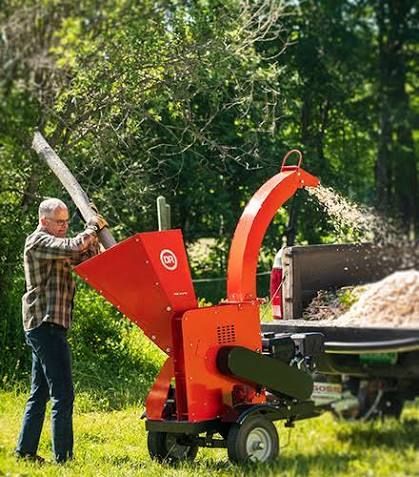
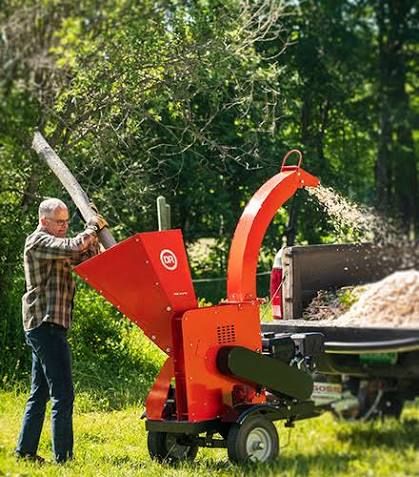
Although wood chippers vary in design, most follow a similar operating process. Wood material enters the machine through a feed hopper, where rotating cutting components reduce it into chips before discharging the processed material through an outlet chute.
The cutting mechanism is the heart of the machine. Depending on the design, rotating blades, drums, or discs slice, chop, or shred wood into smaller pieces.
The feed system helps guide branches into the cutting chamber. Larger commercial models often include hydraulic feed rollers that automatically pull material toward the blades, improving efficiency and reducing manual effort.
The processed chips exit through an adjustable discharge chute, allowing operators to direct chips into a collection container, trailer, or pile.
The size and consistency of the wood chips depend on the blade configuration, cutting speed, wood moisture, and machine design.
Different Types of Wood Chippers
Wood chippers are designed for different workloads and environments. Selecting the appropriate type depends on the volume of material, branch diameter, mobility requirements, and intended application.
Drum Wood Chippers
Drum wood chippers use a large rotating drum fitted with cutting blades. As wood enters the drum, the blades rapidly slice it into chips.
These machines are commonly used in forestry, commercial landscaping, and municipal tree maintenance because they can process larger branches continuously and efficiently.
Drum chippers are known for high productivity and consistent chip production.
Disc Wood Chippers
Disc chippers use a heavy steel disc equipped with blades positioned around its edge. As the disc rotates, branches are cut into chips through centrifugal force.
Disc chippers produce relatively uniform wood chips and are widely used for landscaping, arboriculture, and wood processing applications.
They are often preferred when chip consistency is important.
Electric Wood Chippers
Electric wood chippers are compact machines powered by an electric motor. They are typically designed for homeowners and small garden maintenance tasks.
These machines are quieter than fuel-powered models and require less maintenance. They are ideal for pruning branches, shrubs, and small garden waste.
Gasoline and Diesel Wood Chippers
Fuel-powered wood chippers provide greater mobility and higher cutting capacity. They are commonly used where electrical power is unavailable.
Gasoline-powered machines are popular for medium-duty landscaping work, while diesel-powered models are typically used in commercial forestry and industrial applications requiring continuous operation.
Industrial Wood Chippers
Industrial wood chippers are large stationary or mobile machines designed for processing logs, pallets, construction wood waste, and forestry residue.
These machines integrate with conveyors and wood processing systems to handle high-volume operations throughout the day.
Common Applications of Wood Chippers
Wood chippers serve many industries because they process a wide variety of woody materials into reusable products.
In landscaping, wood chippers convert branches and pruning waste into mulch for flower beds, gardens, and public parks. Mulch helps conserve soil moisture and improves landscape appearance.
In forestry operations, they process logging residue, small trees, and branches into biomass material or transportation-ready wood chips.
Agricultural operations use chipped wood around orchards and plantations to reduce weeds, retain moisture, and improve soil health through gradual decomposition.
Municipal governments use wood chippers during roadside maintenance, storm cleanup, and park management to process fallen branches efficiently.
Construction and demolition projects also use wood chippers to recycle untreated wood waste generated during renovation or site clearing activities.
Benefits of Using Wood Chippers
Wood chippers provide practical and environmental benefits by simplifying waste management and supporting resource recycling.
One major advantage is reducing the volume of wood waste. Branches and limbs occupy much less space after chipping, making transportation and storage easier.
Another important benefit is producing mulch from organic material that would otherwise become waste. Mulch improves soil insulation, suppresses weeds, and helps retain moisture in gardens and landscapes.
Wood chips also contribute to composting by adding carbon-rich organic material that balances compost mixtures.
Commercial operations benefit from improved productivity because on-site chipping eliminates the need to transport bulky branches before processing.
Wood chippers also support biomass energy production by creating uniform wood chips suitable for renewable energy systems and industrial heating applications.
Choosing the Right Wood Chipper
Choosing a wood chipper depends on workload, material type, operating environment, and maintenance expectations.
Homeowners generally need compact machines capable of processing small branches from seasonal pruning. Landscapers often require portable machines with larger feed openings for regular property maintenance.
Commercial arborists typically prioritize hydraulic feed systems, higher branch capacity, and mobility between job sites.
Forestry operations focus on processing capacity, fuel efficiency, durability, and compatibility with continuous industrial workloads.
Factors such as chip size consistency, discharge direction, mobility, power source, and maintenance accessibility also influence machine selection.
Understanding expected usage helps match equipment capabilities with operational requirements.
Safe Operation of Wood Chippers
Safety is an important part of operating any wood chipper because the cutting components rotate at high speed and process heavy organic material.
Operators should inspect branches before feeding them into the machine to remove rocks, metal objects, wire, or other debris that could damage blades.
The work area should remain clear of unnecessary personnel while the machine is operating. Loose clothing, jewelry, or long hair should be secured to prevent accidental contact with moving components.
Branches should be fed from the side of the hopper whenever recommended by the manufacturer rather than leaning directly over the feed opening.
Many commercial machines include emergency stop controls that allow operators to stop the feed mechanism quickly if necessary.
Routine inspections before operation help identify worn blades, loose bolts, damaged guards, or hydraulic leaks that may affect safe performance.
Proper operator training significantly reduces the likelihood of workplace accidents and equipment damage.
Maintenance for Reliable Performance
Regular maintenance helps wood chippers operate efficiently while extending equipment lifespan.
Blade sharpness is one of the most important maintenance considerations. Dull blades reduce cutting efficiency, increase fuel or electricity consumption, and place additional stress on the engine and cutting system.
Cleaning accumulated wood chips and debris from the cutting chamber prevents blockages and improves airflow around moving components.
Lubricating bearings, feed rollers, and moving assemblies reduces friction and wear during continuous operation.
Engine-powered machines require periodic inspection of engine oil, air filters, fuel filters, coolant levels, and drive belts according to maintenance schedules.
Hydraulic systems should be checked regularly for fluid levels, hose condition, and leaks to maintain reliable feed performance.
Routine inspections also help identify cracked blades, damaged belts, worn bearings, and loose fasteners before they develop into larger mechanical issues.
Recent Developments in Wood Chipper Technology
Wood chipper technology has continued evolving throughout 2025 and 2026 as manufacturers focus on productivity, safety, emissions reduction, and digital monitoring.
Many newer commercial models include electronic monitoring systems that track engine performance, maintenance intervals, fuel consumption, and operating hours. These systems help operators schedule preventive maintenance more effectively.
Hydraulic feed systems have become more intelligent, automatically adjusting feed speed based on branch thickness to reduce jamming and improve cutting consistency.
Electric and battery-powered wood chippers have expanded for residential and municipal landscaping applications, offering quieter operation with reduced emissions in urban environments.
Manufacturers are also improving blade materials using advanced alloys and wear-resistant coatings to increase blade life and reduce maintenance frequency.
Industrial forestry equipment increasingly integrates telematics, allowing fleet managers to monitor equipment health, operating location, and maintenance needs remotely.
These developments reflect the industry's growing emphasis on efficiency, sustainability, and operator safety.
Environmental Role of Wood Chippers
Wood chippers contribute to sustainable waste management by encouraging recycling rather than disposal of organic material.
Wood chips created from tree maintenance can return to the environment as mulch, compost ingredients, or erosion control material. This reduces the need for synthetic landscaping materials while supporting healthier soil ecosystems.
Biomass facilities use processed wood chips as renewable fuel, helping utilize forestry residues and untreated wood waste that might otherwise decompose unused.
Communities also benefit because processing branches locally reduces transportation requirements and decreases the amount of organic material sent to landfills.
As circular economy practices become more common, wood chippers continue supporting the reuse of natural resources in landscaping, agriculture, forestry, and renewable energy sectors.
The Future of Wood Chippers
The future of wood chippers is closely connected to sustainable forestry, smart landscaping equipment, and renewable energy initiatives. Manufacturers are developing quieter electric models, fuel-efficient commercial machines, and automated feed systems that improve productivity while reducing environmental impact.
Digital diagnostics, predictive maintenance technology, and connected fleet management tools are expected to become increasingly common in commercial equipment. Advances in cutting blade materials and safety systems will also continue improving machine reliability and operator protection.
As governments and industries place greater emphasis on recycling organic waste and reducing landfill use, wood chippers will remain an important tool for converting wood debris into valuable reusable material.
Conclusion
Wood chippers are versatile machines that transform branches, logs, shrubs, and other woody debris into manageable wood chips for landscaping, composting, forestry, agriculture, and biomass applications. They reduce waste volume, improve cleanup efficiency, and support sustainable recycling practices across many industries.
Understanding the different types of wood chippers, how they work, proper maintenance procedures, and safe operating practices helps users select equipment suited to their specific needs while maintaining reliable performance over time. As technology continues advancing, wood chippers are becoming safer, more efficient, and better aligned with modern environmental and resource management goals, making them an increasingly valuable part of responsible wood waste management in 2026 and beyond.