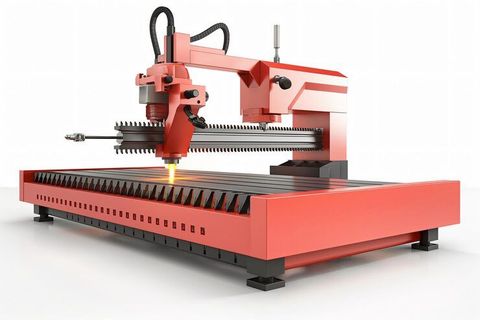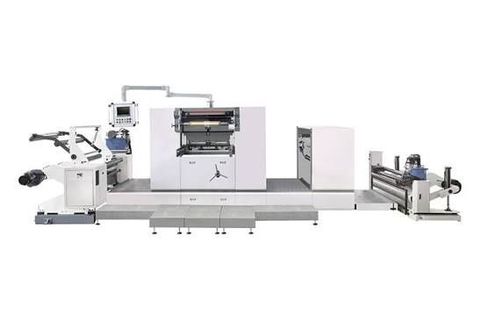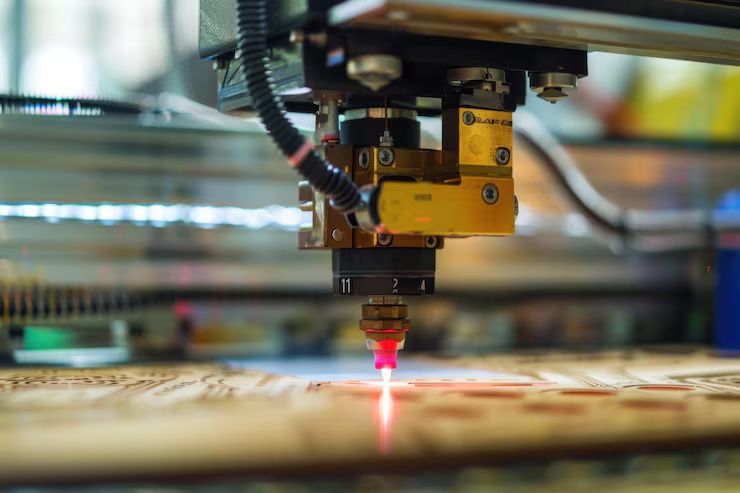
A CNC laser cutter is a computer-controlled machine that uses a focused laser beam to cut, engrave, or mark materials with high precision. CNC stands for Computer Numerical Control, meaning the machine follows digital instructions created from a computer-aided design (CAD) file or similar digital drawing.
Laser cutting is used across manufacturing, fabrication, engineering, electronics, signage, and many other fields. Understanding how a laser cutting machine works can help beginners understand its components, cutting process, material requirements, safety considerations, and recent technological developments.
Context – Understanding CNC Laser Cutting
CNC laser cutting combines computer-controlled movement with concentrated laser energy. The laser generates a beam that is directed through optical components and focused onto a small area of the material. Depending on the laser type and material, the concentrated energy can melt, vaporize, or burn through the workpiece.
The CNC controller determines the movement of the cutting head according to programmed instructions. A typical workflow includes:
- Creating or importing a digital design.
- Preparing cutting paths and machine parameters.
- Positioning the material on the machine bed.
- Focusing the laser beam.
- Moving the cutting head along programmed paths.
- Using an assist gas when required.
- Inspecting the finished component.
Several major components work together in a CNC laser cutter.
| Component | Main function |
|---|---|
| Laser source | Generates the laser beam |
| Optical system | Directs and focuses the beam |
| Cutting head | Delivers the focused beam to the material |
| CNC controller | Coordinates machine movement |
| Motion system | Moves the cutting head or worktable |
| Assist-gas system | Helps remove molten material and debris |
| Worktable | Supports the material during processing |
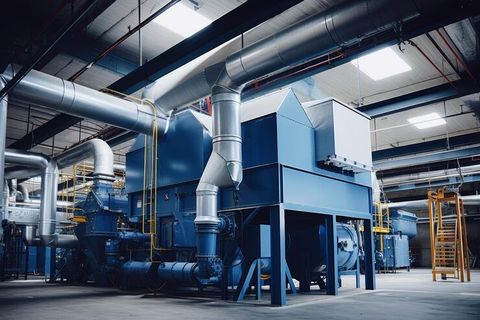
| Exhaust system | Removes smoke and airborne particles |
Common laser technologies include CO₂, fiber, and diode lasers. Their suitability depends on wavelength, material characteristics, thickness, required precision, and the intended process.
Importance – Why CNC Laser Cutting Matters
CNC laser cutting is important because digital instructions can be translated into repeatable physical movements. This allows complex shapes, holes, slots, and patterns to be produced without manually guiding a cutting tool.
The technology can affect several groups, including engineers, designers, fabricators, machine operators, educators, and manufacturers. It can also support prototyping because digital designs can be modified and processed without creating a completely new physical cutting template.
Important considerations include:
- Material type and thickness
- Laser wavelength and power
- Cutting speed
- Beam focus
- Assist-gas selection
- Kerf width
- Heat-affected areas
- Machine calibration
- Ventilation and safety controls
The results depend on the interaction between these factors. A parameter that works for one material or thickness may not produce the same result for another.
Recent Updates – Trends and Developments
CNC laser cutting continues to develop through improvements in laser sources, control software, motion systems, sensors, and automation. Modern machines can integrate more monitoring and control functions than earlier systems.
One important development is increased process monitoring. Sensors and software can help detect changes during cutting and provide information about machine conditions. Automated focusing systems can also help maintain an appropriate distance between the cutting head and workpiece.
Fiber lasers have become important for processing many metal applications because their wavelength is efficiently absorbed by numerous metals. CO₂ lasers remain relevant for various non-metallic materials and certain industrial applications.
Software integration is another area of development. Digital design files can move through CAD, computer-aided manufacturing, nesting, and machine-control workflows. Automated nesting can arrange multiple components on a sheet to reduce unused material.
Other developments include:
- Automated material handling
- Machine vision and monitoring
- Improved cutting-head technology
- More precise motion control
- Remote machine diagnostics
- Integrated production data
- Automated parameter management
These developments do not eliminate the need for trained operators. Material properties, machine condition, programming, and safety procedures still influence the final result.
Laws or Policies – Safety and Regulatory Considerations
Laser cutting involves high-energy equipment, moving mechanical components, electrical systems, heat, fumes, and potentially hazardous radiation. Appropriate safety requirements therefore depend on the machine design, workplace, material, and jurisdiction.
In the United States, laser products and workplaces can be subject to requirements and guidance from organizations such as the U.S. Food and Drug Administration (FDA), Occupational Safety and Health Administration (OSHA), and relevant consensus standards.
Internationally, the IEC 60825 series provides standards concerning laser product safety and classification. Workplace requirements can also involve electrical safety, machine guarding, ventilation, fire prevention, and personal protective equipment.
Organizations using CNC laser equipment should consult the regulations applicable to their location and machine category. Safety procedures commonly address:
- Laser exposure prevention
- Interlocked enclosures
- Emergency-stop systems
- Electrical safety
- Fume and smoke extraction
- Fire prevention
- Material-specific hazards
- Operator training
- Routine inspection and maintenance
Materials should also be checked carefully before processing. Some plastics and coated materials can release hazardous substances or create dangerous combustion products when exposed to laser energy.
Tools and Resources – Learning CNC Laser Cutting
Several types of tools can help users understand and operate CNC laser systems.
CAD software is commonly used to create or modify two-dimensional designs. CAM or laser-control software can then convert geometry into machine instructions. Manufacturers may also provide parameter references for particular machines and materials.
Useful learning resources include:
- CAD and vector-design documentation
- Machine manufacturer manuals
- Laser safety standards
- Workplace safety guidance
- Material safety documentation
- CNC programming references
- Operator training materials
- Maintenance schedules
A material test grid can also be useful for educational and controlled machine setup. It allows different combinations of speed, power, focus, and related parameters to be evaluated systematically rather than relying on assumptions.
FAQs – CNC Laser Cutter Explanation
What is a CNC laser cutter?
A CNC laser cutter is a computer-controlled machine that uses a focused laser beam to cut, engrave, or mark suitable materials according to programmed digital instructions.
How does a laser cutting machine work?
The machine generates a laser beam, directs it through an optical system, focuses it onto the workpiece, and moves the cutting head along programmed paths. The laser energy interacts with the material to create the required cut or mark.
What materials can a CNC laser cutter process?
The answer depends on the laser technology and machine configuration. Common applications include various metals, plastics, wood, paper-based materials, and other suitable substrates. Not every material is appropriate for laser processing.
What is the difference between fiber and CO₂ lasers?
Fiber and CO₂ lasers use different laser technologies and wavelengths. Fiber lasers are widely used for many metal-processing applications, while CO₂ lasers are commonly associated with metals and numerous non-metallic materials.
Is CNC laser cutting safe?
Laser cutting can be performed safely when appropriate engineering controls, machine safeguards, ventilation, operating procedures, and training are used. Users should follow the machine manufacturer's instructions and applicable workplace regulations.
Conclusion – Key CNC Laser Cutting Insights
A CNC laser cutter combines laser technology, computer-controlled motion, optics, software, and material-processing knowledge. The cutting process depends on factors such as laser type, material, thickness, focus, speed, and assist gas.
Understanding these fundamentals helps explain why different materials require different machine settings and safety precautions. Recent developments in automation, sensing, software, and machine control continue to expand the capabilities of laser cutting systems.
For beginners, learning should start with the machine manual, applicable safety guidance, material characteristics, and basic CAD or digital-design concepts. Controlled testing and proper operator training are important parts of developing practical knowledge.
As CNC laser technology continues to evolve, understanding both its technical principles and safety requirements remains important for anyone working with or studying laser cutting machines.