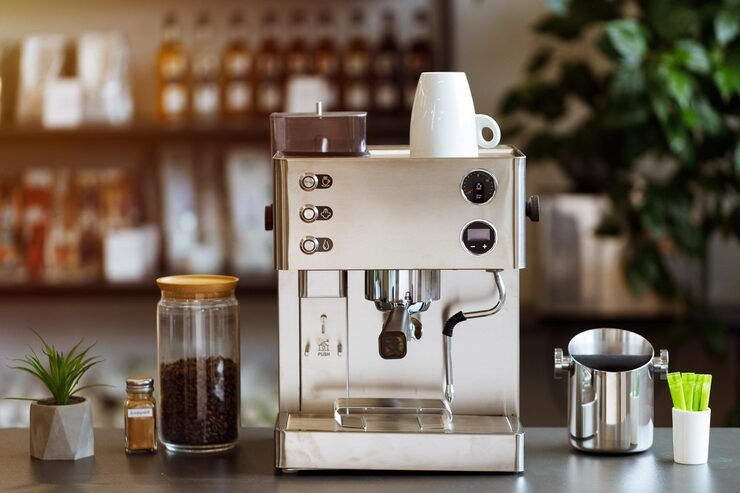
Coffee machines have become a common part of homes, offices, cafés, restaurants, and hospitality spaces. Although many machines appear simple from the outside, they combine several processes to turn water and ground coffee into a brewed drink.
Understanding basic coffee machine facts can help people choose the right type, use a machine more effectively, and recognize why different models produce different results. Factors such as brewing temperature, water pressure, grind size, brewing time, filtration, and cleaning all influence the final cup.
Coffee machines are not all designed for the same purpose. Some focus on simplicity and convenience, while others provide greater control over the brewing process. Learning how each category works makes it easier to understand their differences.
How Does a Coffee Machine Work?
The basic purpose of a coffee machine is to control the interaction between hot water and coffee grounds. The machine heats water to an appropriate brewing temperature and moves it through or over the coffee.
The exact process depends on the machine type. In a drip coffee maker, heated water is distributed over ground coffee held in a filter. Gravity then allows the brewed coffee to flow into a carafe.
Espresso machines work differently. They force heated water through finely ground coffee under pressure, producing a concentrated beverage with a distinctive texture.
Single-serve machines typically use pre-portioned coffee capsules or pods. The machine heats the water and passes it through the enclosed coffee portion before dispensing the drink.
Despite these differences, most coffee machines involve several common components:
- Water reservoir or water inlet
- Heating element
- Brewing chamber
- Coffee filter or holder
- Pump or water delivery system
- Control mechanism
- Coffee outlet or carafe
Major Types of Coffee Machines
Drip Coffee Machines
Drip coffee makers are among the simplest and most widely recognized coffee machines. They heat water and distribute it over ground coffee contained in a paper or reusable filter.
The brewed coffee collects in a carafe below the filter. These machines are generally designed to prepare multiple cups in one brewing cycle and are often used in homes and workplaces.
Espresso Machines
Espresso machines use pressure to push hot water through finely ground coffee. The resulting beverage is concentrated and forms the foundation for drinks such as cappuccino, latte, and Americano.
Some espresso machines require users to grind coffee and prepare the brewing chamber manually. Others automate much of the process.
Single-Serve Coffee Machines
Single-serve systems are designed to prepare one portion at a time. They commonly use pods or capsules containing measured coffee.
Their main characteristic is consistency and straightforward operation. However, the type of capsule or pod determines the available coffee options and brewing characteristics.
French Press and Manual Coffee Makers
Manual brewing equipment is not technically an automatic coffee machine, but it is an important part of the broader coffee-making landscape. A French press, pour-over device, or similar brewer allows the user to control variables such as water temperature, pouring technique, and brewing duration.
These methods can be useful for people interested in understanding the brewing process more closely.
Bean-to-Cup Machines
Bean-to-cup machines grind whole coffee beans shortly before brewing. Depending on the machine, the system can automatically handle grinding, dosing, brewing, and dispensing.
Some models can also prepare milk-based beverages using integrated or connected milk systems.
Important Coffee Machine Facts About Brewing
The quality of brewed coffee depends on more than the machine itself. Several variables work together.
Water temperature: Water that is too cool may produce weak extraction, while excessively hot water can contribute to undesirable flavors. Coffee brewing generally requires controlled hot water rather than boiling water directly on the coffee.
Grind size: The size of the coffee particles affects how quickly water moves through them. Fine grounds are commonly associated with espresso, while coarser grounds are generally used for methods with longer contact times.
Brewing time: Water needs enough contact with the coffee to extract desirable compounds. Very short or very long brewing can affect flavor and strength.
Coffee-to-water ratio: The amount of coffee relative to water influences concentration. Adjusting this ratio can change how strong the resulting beverage tastes.
Water quality: Since brewed coffee consists largely of water, its mineral composition and cleanliness can influence taste and machine performance.
These factors explain why two machines using the same coffee can sometimes produce noticeably different results.
Key Features to Understand
Coffee machines can include many features, but not every feature is equally important for every user.
Programmable brewing allows users to set a brewing schedule. Adjustable strength settings can modify how much coffee is used or how the brewing cycle operates. Built-in grinders combine grinding and brewing in one appliance.
Temperature control can help maintain more consistent brewing conditions. Pressure control is particularly relevant to espresso machines, where water movement through compacted coffee is an important part of extraction.
Milk frothing systems are common on machines designed for beverages such as cappuccino and latte. Some systems use a steam wand that requires manual control, while others automate the milk preparation process.
When evaluating features, it is useful to consider whether they address an actual brewing need rather than simply adding complexity.
Coffee Machine Maintenance Facts
Regular maintenance is an important part of reliable coffee machine operation. Coffee oils, mineral deposits, moisture, and leftover grounds can accumulate inside different parts of a machine.
Basic maintenance may include emptying and rinsing removable components, cleaning coffee filters and brewing areas, and wiping external surfaces.
Machines that use water reservoirs should also have the reservoir cleaned regularly. In areas with hard water, mineral deposits can accumulate inside heating and water-delivery components. Descaling according to the manufacturer's instructions can help manage these deposits.
Espresso machines may require additional attention because coffee oils can accumulate around the brewing group, filter basket, and other components.
Cleaning frequency depends on machine design, usage, water quality, and manufacturer instructions. Following the machine's maintenance guidance is generally more reliable than using the same cleaning schedule for every model.
How to Choose a Coffee Machine
The right coffee machine depends primarily on how the person intends to use it.
Someone who prepares several cups at once may prefer a drip-style machine. A person interested in concentrated coffee and milk-based beverages may look toward an espresso system. Those who prioritize individual portions may prefer a single-serve design.
Consider these practical questions:
- How many cups are normally prepared?
- Is convenience or brewing control more important?
- Is freshly ground coffee preferred?
- Are espresso-based drinks part of the routine?
- How much cleaning and maintenance is acceptable?
- Is counter space limited?
- Does the machine need programmable or automated functions?
Answering these questions can narrow the choices without relying solely on brand names or appearance.
Common Coffee Machine Mistakes
Some brewing problems come from usage rather than the machine itself. Using an unsuitable grind size, neglecting cleaning, overfilling the coffee basket, or using stale coffee can affect the final result.
Another common issue is ignoring water quality. Mineral-heavy water can influence both coffee flavor and machine performance over time.
It is also useful to avoid changing several brewing variables simultaneously. If coffee tastes different, adjusting one factor at a time makes it easier to understand what caused the change.
Frequently Asked Questions
What is the main purpose of a coffee machine?
A coffee machine controls the heating and delivery of water so that it can interact with coffee grounds under specific brewing conditions.
Are all coffee machines the same?
No. Drip, espresso, single-serve, bean-to-cup, and other systems use different brewing methods and provide different levels of control.
Does grind size matter in a coffee machine?
Yes. Grind size affects how quickly water passes through coffee and how much extraction occurs during brewing.
Why does coffee machine cleaning matter?
Cleaning helps remove coffee residue, oils, mineral deposits, and other buildup that can affect machine operation and beverage quality.
Is an expensive machine always better?
Not necessarily. A machine should be evaluated according to its brewing method, features, capacity, maintenance requirements, and how well those characteristics match the user's needs.
Conclusion
Coffee machines combine heat, water, coffee, and controlled brewing processes to produce a wide range of beverages. Understanding basic coffee machine facts makes it easier to distinguish between brewing systems and understand why their results can vary.
The most important considerations include brewing method, water temperature, grind size, brewing time, coffee-to-water ratio, water quality, and maintenance. Rather than focusing only on the number of features a machine provides, users can make more informed decisions by considering how they normally prepare and enjoy coffee.
With proper use and regular maintenance, a suitable coffee machine can provide a consistent brewing experience while also offering an opportunity to explore different coffee preparation methods.