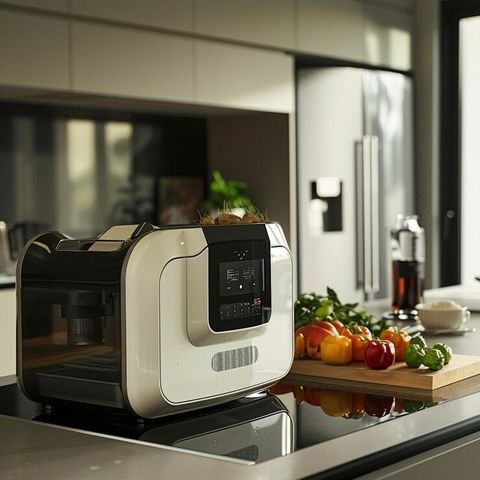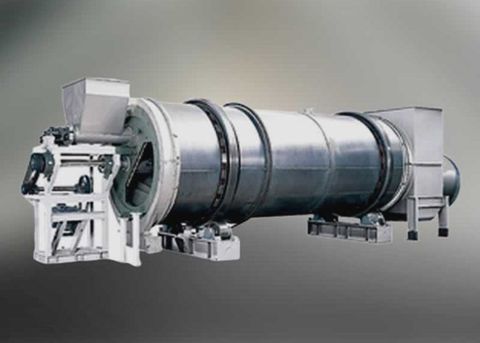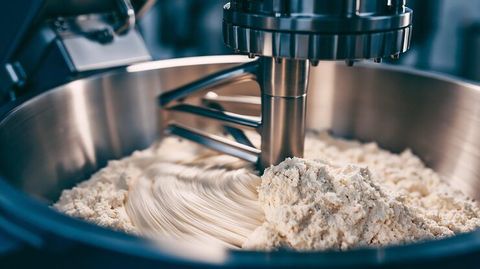
Food mixing machines play a vital role in modern food production by helping combine ingredients into a uniform mixture efficiently and consistently. From small bakeries and restaurants to large food processing factories, these machines are used to prepare dough, batters, sauces, spices, dairy products, confectionery mixtures, and many other food items. Their ability to mix ingredients evenly improves product quality, reduces manual labor, and supports large-scale production.
As the food industry continues to grow, manufacturers and commercial kitchens increasingly rely on mixing technology to maintain consistency, hygiene, and productivity. Whether producing bread, chocolate, beverages, processed foods, or ready-to-eat meals, selecting the right food mixing machine helps achieve reliable results while minimizing waste.
This guide explains what food mixing machines are, how they work, their different types, where they are used, their benefits, maintenance practices, safety considerations, and the latest developments shaping food processing in 2026.
What Is a Food Mixing Machine?
A food mixing machine is a mechanical device designed to blend, knead, whip, fold, or stir food ingredients into a consistent mixture. Unlike manual mixing, these machines use rotating blades, paddles, hooks, or agitators powered by electric motors to mix ingredients at controlled speeds and durations.
Food mixing machines are available in many sizes, from compact countertop models for commercial kitchens to industrial equipment capable of handling hundreds or thousands of kilograms of ingredients in one batch.
The primary purpose of a food mixing machine is to ensure that ingredients are distributed evenly throughout the mixture while preserving the desired texture, moisture, and consistency of the final product.
Why Food Mixing Machines Are Important in Modern Food Processing
Consistency is one of the biggest challenges in food preparation. Small variations in mixing time, speed, or ingredient distribution can significantly affect taste, texture, and appearance. Food mixing machines help eliminate these inconsistencies by following controlled mixing processes.
In commercial food production, machines also increase efficiency by reducing preparation time and allowing larger quantities to be mixed without sacrificing quality. This supports growing demand for packaged foods, bakery products, dairy products, snacks, beverages, and frozen meals.
Food safety is another important reason these machines are widely used. Stainless steel construction, hygienic designs, and easy-to-clean components help reduce contamination risks while meeting food processing standards.
How Food Mixing Machines Work
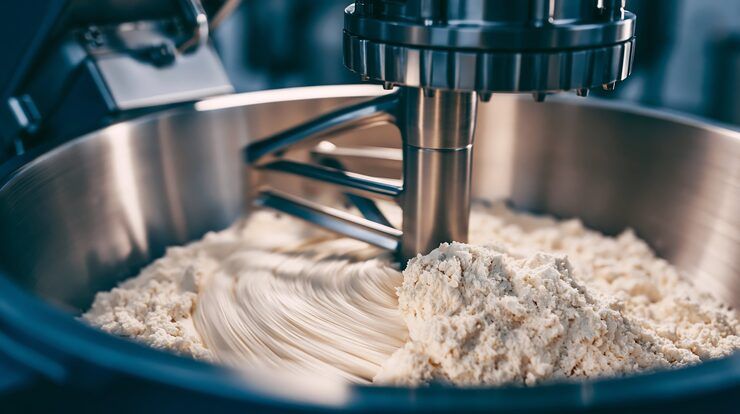
Food mixing machines operate by rotating one or more mixing tools inside a mixing bowl, drum, or vessel. The mixing mechanism creates movement that combines dry and wet ingredients until they reach a uniform consistency.
The process usually begins with loading ingredients into the mixing chamber. The motor drives the mixing attachment according to the selected speed and mixing cycle. Depending on the recipe, the machine may knead, fold, whip, emulsify, or blend ingredients.
Many industrial machines include programmable controls that automatically adjust speed, mixing duration, and rotation patterns to achieve repeatable results for different food products.
Temperature-controlled mixing systems are also used for ingredients that require heating or cooling during processing, such as chocolate, dairy products, or confectionery fillings.
Main Types of Food Mixing Machines
Food mixing machines are designed for different mixing tasks depending on the product being prepared.
Planetary Mixers
Planetary mixers use a rotating attachment that moves around the bowl while spinning on its own axis. This movement reaches all parts of the mixing bowl, making it suitable for cake batter, cream, frosting, mashed potatoes, sauces, and cookie dough.
These mixers are commonly used in bakeries, restaurants, hotels, and commercial kitchens because they support multiple attachments for different recipes.
Spiral Mixers
Spiral mixers are specifically designed for bread and pizza dough. The spiral-shaped hook rotates while the bowl also turns, creating gentle yet effective kneading.
This design develops gluten efficiently without overheating the dough, making spiral mixers popular in artisan bakeries and industrial bread production facilities.
Ribbon Mixers
Ribbon mixers contain spiral ribbon blades inside a horizontal mixing chamber. The blades move ingredients in opposite directions, creating an even blend.
They are widely used for mixing flour, spices, powdered ingredients, seasoning blends, protein powders, and dry food formulations.
Paddle Mixers
Paddle mixers use flat paddles instead of ribbons. They provide gentle mixing for fragile ingredients that should not be crushed or damaged.
Applications include vegetable mixtures, meat seasonings, cereal products, frozen foods, and snack ingredients.
High-Shear Mixers
High-shear mixers rapidly disperse liquids, powders, and emulsifiers using high-speed rotating blades.
These machines are commonly used in mayonnaise, salad dressings, dairy beverages, sauces, soups, chocolate fillings, and emulsified food products.
Vacuum Mixers
Vacuum mixers remove air during mixing, producing smoother textures and reducing oxidation.
They are often used in sausage production, chocolate manufacturing, confectionery, bakery creams, and specialty food products where air bubbles affect quality.
Applications Across the Food Industry
Food mixing machines serve a wide range of industries because nearly every processed food requires ingredient blending at some stage.
Food Industry | Typical Mixing Applications |
| Bakery | Dough, cake batter, frosting, cookie mixtures, bread filling. |
| Dairy | Yogurt, cheese blends, flavored milk, cream, butter mixtures. |
| Confectionery | Chocolate, caramel, candy fillings, cream fillings. |
| Beverage Production | Powder drink mixes, syrups, flavor concentrates. |
| Snack Manufacturing | Seasonings, spice coatings, cereal blends, chips flavoring. |
| Meat Processing | Sausages, marinades, meat emulsions, spice mixtures. |
| Ready-to-Eat Foods | Soups, sauces, frozen meals, prepared fillings. |
The flexibility of food mixing machines makes them essential equipment in both small-scale food preparation and industrial manufacturing environments.
Key Components of a Food Mixing Machine
A food mixing machine contains several important components that work together to deliver efficient mixing performance.
The mixing vessel or bowl holds the ingredients during processing. Mixing attachments such as hooks, paddles, whisks, ribbons, or blades determine how ingredients move.
An electric motor powers the rotating mechanism, while the gearbox controls torque and speed. Variable speed controls allow operators to adjust mixing intensity for different recipes.
Industrial systems often include digital control panels, programmable mixing cycles, safety covers, discharge mechanisms, and automated ingredient feeding systems to improve production efficiency.
Benefits of Using Food Mixing Machines
Food mixing machines improve both product quality and production efficiency across commercial kitchens and manufacturing facilities.
Uniform mixing helps ensure that ingredients are distributed consistently throughout each batch, producing predictable taste, color, and texture.
Machines also reduce preparation time compared to manual mixing, allowing businesses to produce larger quantities without increasing labor requirements.
Controlled mixing speeds prevent overmixing or undermixing, which helps maintain product quality for delicate batters, dough, emulsions, and fillings.
Automated mixing reduces physical effort for workers while supporting continuous production schedules. It also minimizes ingredient waste by mixing products thoroughly and consistently.
Hygienic stainless steel designs make cleaning easier and help food producers maintain sanitation standards required for commercial food processing.
Choosing the Right Food Mixing Machine
Selecting the appropriate food mixing machine depends on production needs, ingredient characteristics, and operational requirements.
Batch size is one of the first considerations. Small kitchens may require compact planetary mixers, while industrial facilities need high-capacity horizontal or spiral mixers.
The type of food product also matters. Dough requires kneading action, powders need ribbon mixing, emulsions benefit from high-shear mixing, and delicate ingredients often require paddle mixing.
Motor power, mixing speed range, programmable controls, cleaning requirements, available attachments, and material construction are additional factors that influence equipment selection.
Businesses should also consider future production growth when choosing machine capacity to avoid frequent equipment replacement.
Cleaning and Maintenance Best Practices
Regular maintenance helps extend equipment life while ensuring food safety and consistent mixing performance.
After each production cycle, mixing bowls, paddles, hooks, and other food-contact surfaces should be cleaned thoroughly to prevent ingredient buildup. Food residue left inside equipment can affect future batches and increase contamination risks.
Lubricating moving components according to manufacturer recommendations helps reduce wear. Belts, bearings, and gear systems should be inspected regularly for signs of damage.
Operators should also monitor motor performance, unusual vibration, excessive noise, and temperature changes during operation. Replacing worn mixing attachments maintains efficient mixing and protects product quality.
Scheduled preventive maintenance reduces unexpected downtime and improves long-term reliability in commercial food production environments.
Safety Practices During Operation
Food mixing machines contain moving mechanical parts that require proper safety procedures during operation.
Operators should receive training before using industrial mixing equipment. Protective guards and bowl covers should remain in place while machines are running.
Ingredients should never be added by hand near rotating attachments unless the equipment is specifically designed for safe ingredient feeding.
Machines should be switched off and disconnected from power before cleaning, inspection, or maintenance. Wearing appropriate protective clothing and following workplace hygiene practices further improves operational safety.
Routine safety inspections help identify damaged electrical cables, worn safety switches, or mechanical faults before they create hazards.
Recent Developments in Food Mixing Machines (2025–2026)
The food processing industry has introduced several technological improvements in food mixing equipment over the past year.
Automation continues to expand with programmable recipe management systems that store mixing parameters for multiple food products. This helps manufacturers achieve consistent quality across production batches.
Energy-efficient motors are becoming more common, reducing electricity consumption during continuous operation while maintaining mixing performance.
Smart monitoring systems now track motor load, mixing time, equipment temperature, and maintenance schedules through digital control panels. Some industrial machines integrate with factory management software for production monitoring.
Vacuum mixing technology is also growing in popularity for premium food products that require smoother textures and reduced oxidation. Improved hygienic designs with fewer joints and easier cleaning surfaces are helping manufacturers meet stricter food safety standards.
Sustainability in Food Mixing Technology
Sustainability has become an important focus for food processing equipment manufacturers. Modern food mixing machines are designed to reduce energy use, minimize ingredient waste, and improve cleaning efficiency.
Efficient mixing reduces product loss by ensuring ingredients are blended completely. Water-saving cleaning systems help decrease water consumption during sanitation processes.
Durable stainless steel construction increases equipment lifespan, reducing replacement frequency and supporting long-term operational sustainability.
Many manufacturers are also developing machines that operate with recyclable components, improved insulation, and lower environmental impact throughout the equipment lifecycle.
Common Challenges and How Mixing Machines Address Them
Food manufacturers often face challenges related to inconsistent batches, ingredient separation, production delays, and labor-intensive preparation.
Modern food mixing machines solve these issues through controlled mixing cycles, adjustable speeds, automated timing, and specialized mixing tools designed for different ingredients.
High-capacity industrial mixers also help businesses scale production while maintaining product consistency across multiple batches, making them suitable for growing food manufacturing operations.
Proper machine selection and routine maintenance remain essential for achieving reliable mixing performance over time.
The Future of Food Mixing Machines
Food mixing machines are becoming increasingly intelligent, automated, and energy efficient as food manufacturing evolves. Future equipment is expected to include more AI-assisted process monitoring, predictive maintenance, automated ingredient dosing, and integration with smart factory systems.
Sensors capable of measuring viscosity, temperature, moisture, and mixing consistency during operation may further improve quality control. Robotics and automated production lines will continue integrating food mixing machines into fully connected manufacturing systems.
As consumer demand grows for healthier foods, specialty products, and customized recipes, mixing technology will become even more flexible, allowing manufacturers to switch between recipes quickly while maintaining consistent product quality.
Conclusion
Food mixing machines are essential equipment across bakeries, commercial kitchens, and industrial food processing facilities because they deliver consistent, efficient, and hygienic mixing for a wide variety of food products. Different mixer types are designed for specific applications, including dough preparation, powder blending, emulsification, whipping, and gentle ingredient mixing.
Understanding how these machines work, choosing the right design for the intended application, and following proper maintenance and safety practices help businesses improve productivity while maintaining food quality and hygiene standards. With continued advancements in automation, smart controls, energy efficiency, and sustainable design, food mixing machines will remain a cornerstone of modern food production and processing in the years ahead.