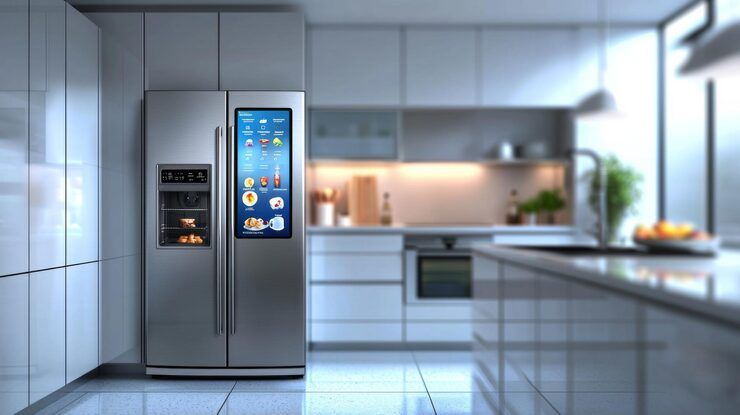
Refrigeration has become an essential part of modern life, from preserving food at home to maintaining medicines, industrial products, and temperature-sensitive goods. As technology continues to evolve, refrigeration systems are becoming smarter, more connected, and more energy efficient. Smart refrigeration systems combine traditional cooling technology with sensors, automation, internet connectivity, and intelligent software to monitor and manage temperature more effectively.
Unlike conventional refrigerators or cooling units that operate with fixed settings, smart refrigeration systems can automatically adjust cooling performance based on usage, environmental conditions, and stored items. They also provide real-time monitoring, alerts, and maintenance insights, making refrigeration more reliable and efficient.
As homes become smarter and industries adopt connected technologies, smart refrigeration is becoming an important part of energy management, food safety, and sustainable cooling solutions.
What Are Smart Refrigeration Systems?
Smart refrigeration systems are cooling systems equipped with digital technologies that monitor, control, and optimize refrigeration performance automatically. They use sensors, connectivity features, and intelligent control systems to maintain precise temperatures while reducing unnecessary energy consumption.
A smart refrigeration system can communicate with mobile applications, cloud platforms, or building management systems. This allows users to monitor temperature, humidity, power usage, and system health remotely. Instead of relying only on manual controls, the system analyzes data continuously and adjusts cooling operations whenever needed.
The technology is used in household refrigerators, commercial refrigeration units, supermarkets, cold storage facilities, restaurants, hospitals, pharmaceutical storage, and industrial manufacturing environments.
The goal is to create refrigeration systems that are more efficient, safer, easier to maintain, and capable of adapting to changing conditions without constant human intervention.
Why Smart Refrigeration Systems Matter Today
Smart refrigeration systems have become increasingly important because temperature control affects food quality, medicine safety, product freshness, and energy consumption. Even small temperature fluctuations can lead to spoilage, waste, or reduced product quality.
In residential homes, smart refrigerators help families manage food storage more effectively while minimizing electricity usage. In commercial settings, businesses rely on intelligent refrigeration to protect inventory, maintain regulatory compliance, and reduce operational costs through better energy management.
The growing demand for sustainable technology has also increased interest in intelligent cooling systems. Refrigeration accounts for a significant share of electricity consumption in homes and businesses. Smart systems help reduce unnecessary cooling cycles by responding to actual cooling needs instead of operating continuously.
As smart homes, Internet of Things devices, and automation become more common, refrigeration is evolving into an integrated part of connected living and intelligent infrastructure.
How Smart Refrigeration Systems Work
Smart refrigeration systems combine several technologies that work together to maintain consistent cooling conditions. Temperature sensors continuously monitor internal conditions and send data to a digital controller. The controller analyzes this information and adjusts compressors, fans, and cooling cycles based on current requirements.
Humidity sensors help maintain appropriate moisture levels for different types of stored products. Some systems also include door sensors that detect when doors remain open for too long, reducing cooling loss by sending notifications or adjusting cooling performance.
Many smart refrigeration systems connect to wireless networks, allowing users to access system information through mobile devices or centralized dashboards. Cloud connectivity enables remote monitoring, software updates, predictive maintenance alerts, and performance analytics.
Advanced systems use artificial intelligence and machine learning to recognize usage patterns. For example, they may increase cooling before peak usage hours and reduce compressor activity during periods of low demand, improving overall efficiency.
Key Technologies Behind Smart Refrigeration
Modern smart refrigeration systems rely on several intelligent technologies that improve cooling performance and operational reliability.
The Internet of Things connects refrigeration equipment with cloud platforms and smart devices, enabling real-time communication and monitoring from virtually anywhere.
Artificial intelligence analyzes operating data to identify patterns, optimize cooling cycles, and detect unusual behavior before equipment problems become serious.
Digital sensors continuously measure temperature, humidity, compressor performance, door activity, and power consumption to maintain accurate environmental conditions.
Cloud computing stores operational data securely and provides dashboards, reports, and maintenance insights for users and facility managers.
Automation systems coordinate cooling operations without requiring manual adjustments, helping maintain stable temperatures while reducing energy waste.
Together, these technologies transform refrigeration from a simple cooling appliance into an intelligent temperature management system.
Benefits of Smart Refrigeration Systems
Smart refrigeration systems improve both convenience and performance by making cooling operations more responsive and data driven.
One of the biggest advantages is improved energy efficiency. Intelligent controllers reduce unnecessary compressor operation, helping minimize electricity consumption without compromising cooling quality.
Another important benefit is consistent temperature control. Continuous monitoring helps maintain stable temperatures, reducing the risk of food spoilage, pharmaceutical degradation, or product damage.
Remote monitoring allows users to check refrigeration status even when they are away from home or managing multiple facilities. This provides greater visibility and faster responses to unexpected issues.
Predictive maintenance is another valuable feature. Instead of waiting for equipment failure, smart systems detect warning signs such as unusual compressor behavior, temperature fluctuations, or declining efficiency. This allows maintenance to happen before major breakdowns occur.
Smart refrigeration also improves inventory protection, reduces waste, supports sustainability goals, and provides better operational insights through data reporting.
Applications Across Different Industries
Smart refrigeration technology is used in many sectors where precise temperature control is essential.
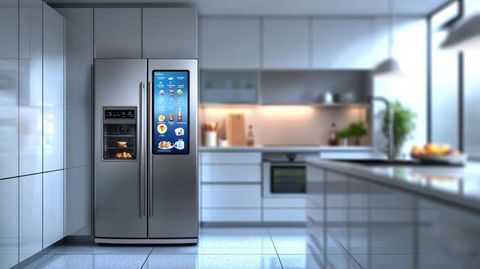
In homes, smart refrigerators help manage food freshness, monitor energy usage, and integrate with smart home ecosystems for greater convenience.
In supermarkets and grocery stores, connected refrigeration units monitor multiple display cases simultaneously, helping maintain food safety standards and reducing product loss.
Restaurants and hospitality businesses use intelligent refrigeration to protect ingredients, beverages, and prepared foods while simplifying temperature compliance monitoring.
Healthcare facilities rely on smart refrigeration for vaccines, laboratory samples, blood storage, and temperature-sensitive medicines that require strict environmental control.
Cold storage warehouses use intelligent monitoring to manage large volumes of frozen and refrigerated goods while maintaining consistent conditions throughout storage facilities.
Industrial manufacturing also uses smart refrigeration for chemical storage, electronics production, food processing, and other processes that require controlled temperatures.
Smart Refrigeration in Homes and Smart Buildings
Smart refrigeration is becoming a key component of connected homes and intelligent buildings. Instead of operating independently, refrigerators can communicate with other smart devices, energy management systems, and home automation platforms.
Homeowners can receive notifications when temperatures change unexpectedly, when maintenance is required, or when refrigerator doors remain open. Some systems also provide food management features by monitoring storage conditions for different compartments.
In smart buildings, refrigeration systems integrate with heating, ventilation, and air conditioning systems to optimize overall building energy usage. Building management software can coordinate cooling equipment with occupancy schedules, weather conditions, and electricity demand to improve efficiency.
This connected approach helps reduce energy consumption while maintaining comfortable and reliable cooling performance throughout residential and commercial spaces.
Energy Efficiency and Sustainability
Energy efficiency is one of the main reasons organizations are adopting smart refrigeration systems. Intelligent cooling reduces wasted electricity by matching cooling output with actual demand instead of running continuously at fixed levels.
Variable-speed compressors adjust cooling intensity gradually rather than switching fully on or off. This reduces energy spikes and improves overall system efficiency.
Smart defrost cycles activate only when necessary instead of following fixed schedules, helping reduce unnecessary heating and cooling operations.
Real-time energy monitoring allows users to identify inefficient operating patterns, compare historical energy usage, and improve refrigeration performance over time.
Many modern refrigeration systems also support environmentally friendly refrigerants and improved insulation technologies that reduce environmental impact while maintaining effective cooling performance.
These improvements contribute to lower energy consumption, reduced greenhouse gas emissions, and more sustainable refrigeration practices.
Recent Developments in Smart Refrigeration Technology
During 2025 and 2026, smart refrigeration technology has continued evolving with greater emphasis on automation, sustainability, and intelligent monitoring.
Artificial intelligence is becoming more capable of predicting equipment maintenance needs by analyzing operational data over long periods. This helps reduce unexpected downtime in commercial and industrial refrigeration systems.
Remote monitoring platforms now provide more detailed performance analytics, allowing businesses to monitor multiple refrigeration units from centralized dashboards.
Energy management has become more advanced through intelligent demand-response capabilities, enabling refrigeration systems to adjust operation during peak electricity demand while maintaining safe storage temperatures.
Smart refrigeration is also becoming increasingly compatible with renewable energy systems, battery storage, and smart electrical grids, helping improve energy flexibility in both homes and commercial facilities.
Digital compliance monitoring has expanded in industries such as healthcare and food storage, making it easier to maintain temperature records and monitor environmental conditions automatically.
Choosing the Right Smart Refrigeration System
Selecting a smart refrigeration system depends on storage requirements, operating environment, connectivity needs, and energy efficiency goals.
Temperature accuracy is an important consideration because different products require different storage conditions. Reliable sensors and intelligent controls help maintain consistent cooling performance.
Connectivity features determine how users access monitoring information. Systems may support mobile applications, cloud dashboards, Wi-Fi, Bluetooth, or integration with building management platforms.
Energy management capabilities help reduce electricity consumption through variable-speed cooling, automated scheduling, and performance optimization.
Maintenance features such as diagnostics, alerts, and predictive monitoring improve equipment reliability and reduce unexpected failures.
Scalability is particularly important for businesses that operate multiple refrigeration units or plan future expansion.
A well-designed smart refrigeration system should balance performance, efficiency, reliability, and ease of monitoring.
Common Challenges and Considerations
Although smart refrigeration systems offer many advantages, they also introduce new considerations related to technology and maintenance.
Reliable internet connectivity may be necessary for cloud-based monitoring and remote access features. However, many systems continue operating safely even if connectivity is temporarily unavailable.
Digital systems require software updates and cybersecurity protections to keep connected devices secure and functioning properly.
Initial setup may involve integrating sensors, applications, or building management systems, depending on the complexity of the installation.
Users should also understand how monitoring alerts, maintenance notifications, and temperature reports function so they can respond appropriately when unusual conditions occur.
Regular maintenance remains important even with intelligent monitoring because physical components such as compressors, fans, seals, and condensers still require inspection and servicing.
The Future of Smart Refrigeration Systems
Smart refrigeration is expected to become even more intelligent as artificial intelligence, automation, and connected infrastructure continue advancing. Future systems will likely make faster decisions using real-time environmental data, occupancy information, and predictive weather analysis.
Digital twins may allow operators to simulate refrigeration performance before making operational changes. Machine learning models will continue improving maintenance predictions and energy optimization.
Greater integration with renewable energy, battery storage, and smart electrical grids will help refrigeration systems respond dynamically to changing energy availability.
Advanced sensors will provide more accurate monitoring for specialized applications, including pharmaceutical storage, precision agriculture, and industrial manufacturing.
As sustainability regulations evolve and organizations focus more on reducing energy consumption, intelligent refrigeration systems are expected to play an increasingly important role in modern cooling infrastructure.
Conclusion
Smart refrigeration systems represent a significant advancement in cooling technology by combining intelligent monitoring, automation, connectivity, and energy optimization into one integrated solution. They help maintain consistent temperatures, improve food and medicine safety, reduce energy consumption, and simplify maintenance through real-time insights.
From household refrigerators to commercial cold storage and industrial facilities, smart refrigeration systems are transforming how temperature-sensitive products are stored and managed. Their ability to analyze data, detect potential issues early, and optimize cooling performance makes them valuable for both residential and professional environments.
As technology continues developing throughout 2026 and beyond, smart refrigeration systems are expected to become more connected, sustainable, and efficient, supporting the growing demand for reliable and intelligent cooling solutions across homes, businesses, healthcare, and industry.