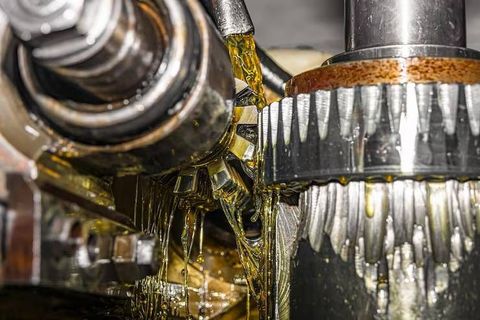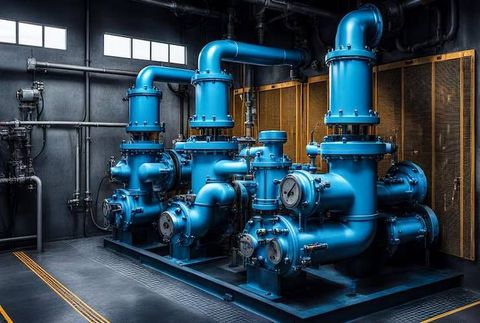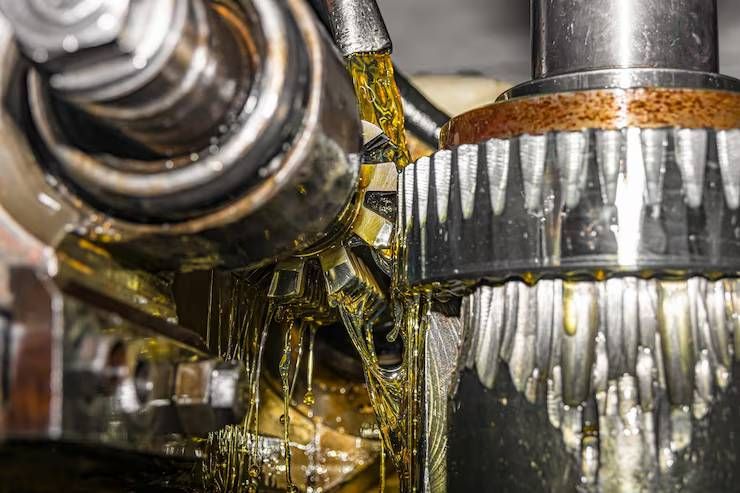
Industrial lubrication systems are used to apply lubricants to moving machine components such as bearings, gears, chains, slides, and other contact points. These systems help maintain suitable lubrication levels while machinery operates under different loads, speeds, temperatures, and environmental conditions.
Automated lubrication processes can reduce the need for repeated manual application by delivering measured amounts of lubricant at defined intervals. Understanding industrial lubrication systems can help operators, maintenance teams, engineers, and plant managers make informed decisions about equipment maintenance and operating practices.
Context
Industrial lubrication systems form part of a machine's maintenance strategy. Lubricants such as oils and greases create a layer between surfaces in relative motion. This layer can reduce direct surface contact and help manage friction, heat, and wear.
Traditional lubrication may require technicians to inspect lubrication points and apply lubricant manually. Automated lubrication systems use components such as pumps, reservoirs, metering devices, distribution lines, controllers, and monitoring equipment to deliver lubricant to selected points.
Common automated lubrication arrangements include:
| System type | Basic operation | Common applications |
|---|---|---|
| Single-line system | Delivers lubricant through a central distribution line | Industrial machinery |
| Dual-line system | Uses two alternating supply lines | Large industrial equipment |
| Progressive system | Metering blocks distribute lubricant sequentially | Multiple lubrication points |
| Single-point automatic system | Supplies lubricant to one location | Bearings and motors |
| Oil circulation system | Continuously circulates and manages oil | Gears and high-speed equipment |
The purpose of an automated lubrication process is not simply to increase lubricant quantity. Correct lubrication depends on using an appropriate lubricant, quantity, frequency, delivery method, and application point.
Importance
Proper lubrication can influence machine reliability and component operating conditions. Insufficient lubrication may increase friction and surface wear, while excessive lubrication can also create problems, including heat generation and contamination risks in certain applications.
Industrial lubrication systems are relevant to many sectors, including manufacturing, mining, transportation, construction, food processing, energy, and material handling.
Automated lubrication can be particularly useful when lubrication points are:
- Difficult or hazardous to reach during operation
- Numerous and distributed across equipment
- Located in areas with high temperatures or contamination
- Subject to regular lubrication intervals
- Part of machinery that operates continuously
A properly planned system can also help maintenance teams establish more consistent lubrication intervals. However, automation does not eliminate the need for inspection. Reservoir levels, lines, metering components, connections, lubricant condition, and machine behavior still need appropriate monitoring.
Recent Updates
Recent developments in industrial lubrication have increasingly focused on automation, monitoring, data collection, and condition-based maintenance. Sensors can be incorporated into lubrication systems to monitor parameters such as pressure, lubricant level, flow, temperature, or equipment condition.
Connected monitoring systems can transmit information to maintenance platforms or industrial control systems. This can allow maintenance personnel to identify unusual conditions earlier and investigate potential problems.
Another development is the integration of lubrication with broader predictive maintenance programs. Instead of treating lubrication as an isolated maintenance task, organizations can combine lubrication data with information from vibration, temperature, electrical, and other machine-monitoring systems.
Environmental considerations are also influencing lubrication practices. Some applications are examining biodegradable or lower-impact lubricant formulations where technically appropriate. Compatibility with machine materials, operating temperatures, loads, regulations, and manufacturer specifications remains important when selecting a lubricant.
Automation technology also continues to develop around more precise metering. Accurate dosing can help avoid both under-lubrication and unnecessary lubricant consumption when the system is correctly configured.
Laws or Policies
Industrial lubrication activities can be affected by occupational safety, environmental, chemical handling, waste management, and industry-specific requirements. The applicable rules depend on the country, industry, equipment, lubricant, and workplace conditions.
In the United States, workplace requirements may involve the Occupational Safety and Health Administration (OSHA), particularly where lubricants and machinery create workplace hazards. Environmental requirements can also apply to lubricant storage, spills, waste handling, and releases.
In the European Union, chemical and environmental requirements can include frameworks such as REACH and CLP, depending on the substance and its use.
In India, industrial facilities may need to consider applicable requirements under workplace safety, environmental protection, hazardous-waste management, and pollution-control regulations. Requirements can differ according to the type and location of the facility.
Organizations should consult the relevant regulatory authority and current legislation for their jurisdiction. Equipment manufacturers' instructions and lubricant safety documentation should also be reviewed before establishing lubrication procedures.
Tools and Resources
Several resources can help users learn about automated lubrication processes and industrial lubrication systems.
Technical documentation
Equipment manuals and lubrication charts can provide information about recommended lubricant types, application points, quantities, and intervals. These documents should generally be treated as important references when establishing maintenance procedures.
Lubrication planning tools
Maintenance teams may use:
- Lubrication schedules
- Equipment lubrication maps
- Maintenance management software
- Lubricant compatibility charts
- Grease and oil selection guides
- Condition-monitoring records
- Inspection checklists
A lubrication schedule can record the equipment identifier, lubrication point, lubricant specification, quantity, interval, and inspection status.
Industry resources
Organizations such as ISO and national standards bodies publish standards and technical information relevant to lubrication, machinery, safety, and maintenance. Lubricant manufacturers and equipment manufacturers may also publish technical datasheets, safety documentation, and application guidance.
When using technical resources, it is important to verify the publication date, equipment applicability, lubricant specification, and jurisdiction.
FAQs
What is an industrial lubrication system?
An industrial lubrication system delivers oil or grease to machine components that require lubrication. The system may operate manually, automatically, or through a combination of methods.
How does an automated lubrication process work?
An automated system generally stores lubricant in a reservoir and uses a pump, controller, metering device, or distribution network to deliver measured lubricant to designated points at specified intervals.
What equipment can use automated lubrication?
Automated lubrication can be applied to equipment containing bearings, gears, chains, slides, bushings, or other moving components. The appropriate system depends on the machine design and operating conditions.
Is automated lubrication maintenance-free?
No. Automated lubrication still requires inspection and maintenance. Reservoirs, pumps, lines, metering devices, sensors, connections, and lubricant condition may need periodic checks.
Why is lubricant quantity important?
Both insufficient and excessive lubrication can create operating problems. The appropriate quantity depends on factors such as component design, speed, load, temperature, lubricant type, and manufacturer recommendations.
Conclusion
Industrial lubrication systems provide structured methods for delivering lubricants to machinery components. Automated lubrication processes can support consistent lubricant application, particularly where equipment has numerous or difficult-to-access lubrication points.
Effective lubrication requires more than automation alone. Correct lubricant selection, application quantity, delivery frequency, equipment inspection, documentation, and compliance with applicable requirements all contribute to an organized lubrication program.
For maintenance teams, understanding the basic components and operating principles of automated lubrication can make it easier to develop suitable maintenance procedures. Equipment documentation and current technical and regulatory information should remain central to any lubrication planning process.