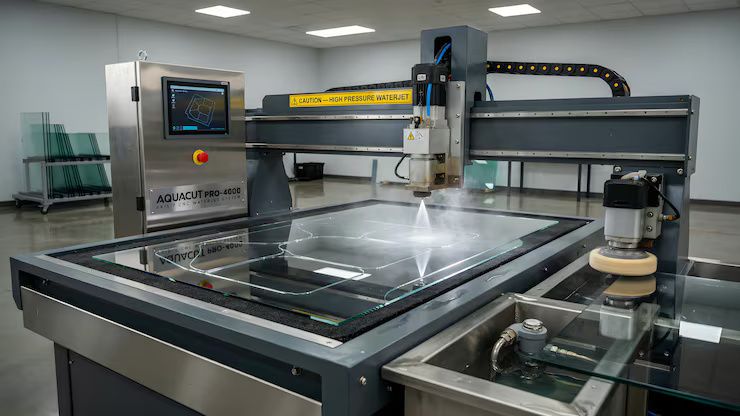
Waterjet machine technology is a precision cutting method that uses a high-pressure stream of water, sometimes combined with abrasive particles, to cut different materials.
It is used in manufacturing, engineering, construction, aerospace, automotive, stone processing, and other industries where accurate material cutting is important.
Learning how a waterjet machine works helps beginners understand its major components, cutting process, material compatibility, and practical applications. The technology is known for its ability to cut many materials without creating a large heat-affected zone.
Context
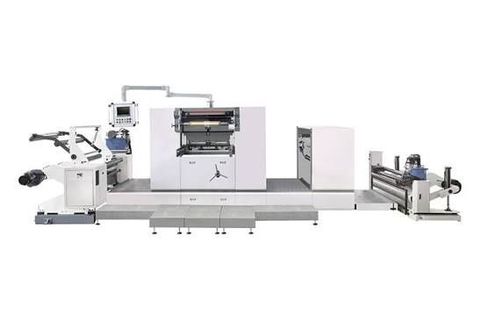
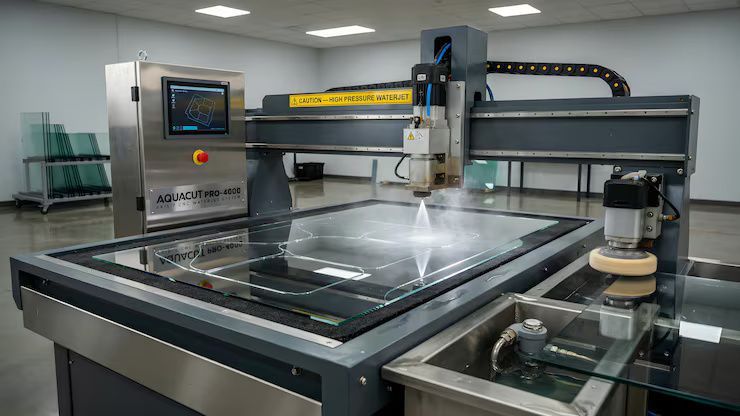
A waterjet machine is a computer-controlled cutting system that directs water through a very small nozzle at extremely high pressure. Depending on the application, the water may be used alone or mixed with abrasive particles to cut harder materials.
The basic principle is relatively straightforward. Water is pressurized and forced through a small opening, creating a concentrated jet. This high-speed stream removes material through erosion and cutting action.
For hard materials, abrasive waterjet technology is commonly used. Fine abrasive particles are introduced into the water stream after the water passes through the orifice. The mixture increases the cutting capability of the jet.
A typical waterjet cutting system includes several important components:
- High-pressure pump
- Water filtration system
- Cutting head
- Orifice and focusing tube
- Abrasive delivery system
- CNC control system
- Cutting table
- Catcher tank
The CNC system controls movement along programmed paths. This allows the cutting head to follow detailed shapes and patterns with controlled positioning.
Waterjet technology can work with materials such as metals, stone, glass, ceramics, composites, rubber, plastics, and certain layered materials. The appropriate setup depends on material thickness, hardness, geometry, and required cutting accuracy.
Unlike many thermal cutting methods, waterjet cutting generally does not rely on a flame, electrical arc, or concentrated laser beam to melt the material. This makes heat-related material changes an important area of comparison when selecting a cutting method.
Importance
Waterjet machine technology matters because it provides a flexible approach to precision cutting across many industries. Its ability to handle different material types makes it useful for both industrial production and specialized fabrication environments.
One important characteristic is the relatively low thermal influence on the workpiece. Because the cutting mechanism primarily relies on a high-pressure water stream and abrasive action, materials can retain properties that might otherwise change under significant heat.
Waterjet systems can also produce complex profiles. CNC control allows programmed paths to include curves, openings, internal shapes, and intricate patterns.
The technology affects several groups, including:
- Manufacturing engineers
- CNC machine operators
- Product designers
- Fabrication teams
- Quality-control personnel
- Industrial maintenance teams
- Construction and architectural professionals
Another important consideration is material thickness. Waterjet systems can process relatively thick materials, although cutting speed, abrasive use, nozzle condition, pressure, and material characteristics influence performance.
Accuracy also depends on machine design, calibration, cutting parameters, material movement, and software settings. For this reason, operators normally establish suitable parameters before processing a large production batch.
Recent Updates
Modern waterjet systems continue to develop through improvements in CNC controls, pump technology, cutting-head design, software, automation, and process monitoring.
Digital programming has become an important part of waterjet operation. CAD drawings can be converted into machine instructions, allowing complex shapes to be prepared with greater consistency.
Recent developments include improved cutting-head systems that can compensate for some of the effects associated with jet deflection and taper. Five-axis and multi-axis systems can also expand the range of shapes that can be processed.
Automation is another important trend. Some systems incorporate automated material handling, abrasive management, height sensing, and production monitoring. These technologies can reduce manual intervention and improve process consistency.
Software development is also influencing waterjet cutting. Modern control platforms can assist with:
- Toolpath generation
- Cutting parameter selection
- Material database management
- Machine monitoring
- Production planning
- Digital file preparation
Environmental considerations are receiving greater attention as well. Water consumption, abrasive waste, filtration, sludge management, and energy use are relevant when evaluating the overall operating footprint of a waterjet system.
Laws or Policies
Waterjet machine operation is subject to workplace safety, environmental, electrical, pressure-system, and waste-management requirements. The exact rules depend on the country, state, facility, machine configuration, and materials being processed.
In India, industrial facilities may need to consider requirements established under workplace safety and environmental frameworks, including applicable provisions of the Factories Act and relevant state-level occupational safety rules. Environmental authorities may also regulate wastewater, solid waste, and other industrial waste streams depending on the facility and process.
Operators should pay particular attention to high-pressure equipment. Waterjet pumps and associated components operate under substantial pressure, so inspection, maintenance, guarding, and manufacturer-specified procedures are important.
A workplace may also need appropriate controls for abrasive materials and airborne particles generated during certain cutting operations. Personal protective equipment and machine-area controls should be selected according to the documented hazards.
Common safety practices include:
- Following the machine manufacturer's operating procedures
- Inspecting high-pressure components regularly
- Maintaining protective guards and interlocks
- Keeping unauthorized personnel away from the cutting area
- Using appropriate eye, hearing, and protective equipment
- Managing abrasive residue and wastewater appropriately
Organizations should consult the applicable national and local regulations rather than relying on general guidance because requirements vary by location and industry.
Tools and Resources
Several types of digital and technical resources can help people learn waterjet machine technology.
CAD and CAM software are useful for preparing cutting designs and generating machine toolpaths. Technical manuals and machine documentation provide information about pressure systems, cutting heads, abrasives, maintenance intervals, and operating procedures.
Industry standards and government websites can also help organizations understand safety and environmental requirements.
A simple planning table can help beginners understand the main relationship between material and cutting approach:
| Material | Typical Waterjet Approach | Important Consideration |
|---|---|---|
| Stainless steel | Abrasive waterjet | Thickness and hardness |
| Aluminum | Abrasive waterjet | Cutting speed and taper |
| Glass | Waterjet with suitable setup | Edge quality |
| Stone | Abrasive waterjet | Thickness and material structure |
| Rubber | Water-only or suitable jet setup | Material flexibility |
| Ceramics | Abrasive waterjet | Brittleness and thickness |
| Composites | Application-dependent | Layer structure |
Useful learning resources include technical manuals, CAD/CAM documentation, occupational safety publications, engineering references, and educational material from established machine manufacturers and industry organizations.
FAQs
What is a waterjet machine?
A waterjet machine is a precision cutting system that uses a high-pressure water stream to remove material. Abrasive particles may be added when cutting harder materials.
How does a waterjet machine work?
A high-pressure pump forces water through a small orifice. The resulting high-speed jet is directed through a cutting head and controlled along a programmed path.
What materials can a waterjet machine cut?
Waterjet systems can process many materials, including metals, stone, glass, ceramics, composites, plastics, and rubber. The appropriate configuration depends on the material and thickness.
Does waterjet cutting create heat?
Waterjet cutting generally produces much less thermal influence than many conventional thermal cutting processes. However, the complete cutting process and surrounding equipment can still involve heat from pumps and other components.
Why is abrasive used in waterjet cutting?
Abrasive particles increase the cutting capability of the water stream. They are particularly useful when processing hard materials such as metals, stone, ceramics, and composites.
Conclusion
Waterjet machine technology combines high-pressure fluid mechanics, precision motion control, and, when necessary, abrasive cutting to process a wide range of materials. Its flexibility, programmable movement, and relatively low thermal influence make it an important technology for modern precision cutting.
Understanding the machine's components, working process, material requirements, safety considerations, and digital controls provides a useful foundation for beginners and industry professionals.
As CNC controls, automation, software, and process-monitoring technologies continue to develop, waterjet systems are becoming increasingly integrated into digitally controlled manufacturing environments. Proper training, maintenance, parameter selection, and compliance with applicable regulations remain essential for safe and consistent operation.