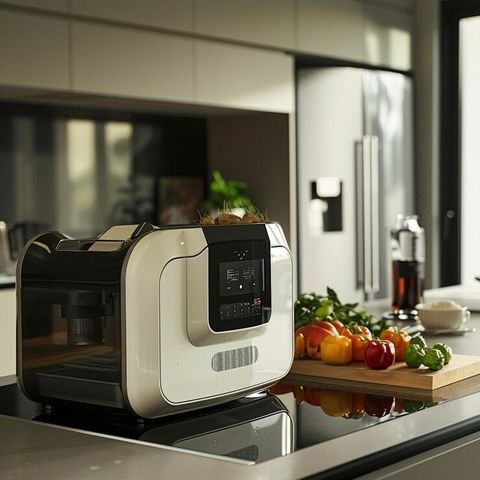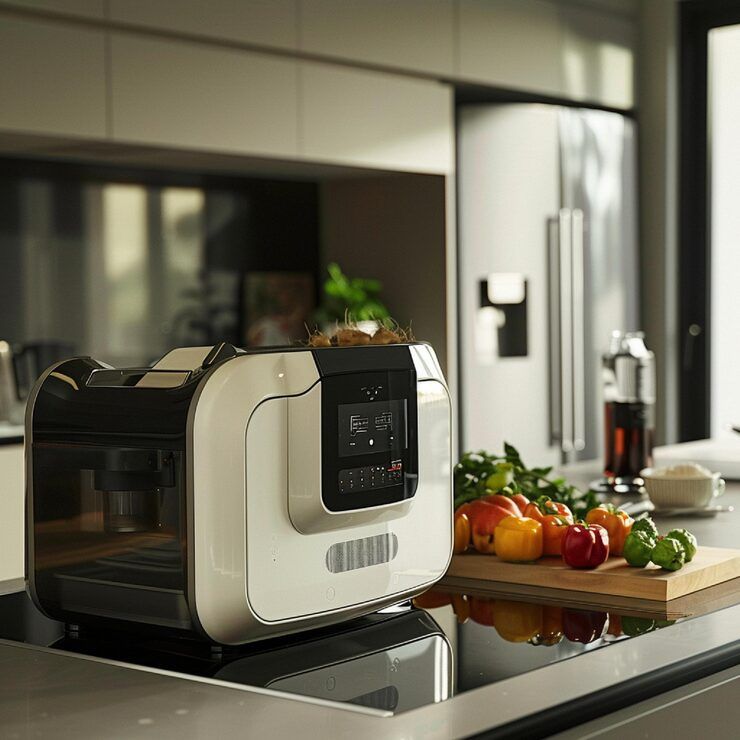
Technology has become part of almost every room in modern homes, and the kitchen is no exception. Smart kitchen gadgets are changing the way people prepare meals, organize ingredients, and manage daily cooking tasks. From intelligent coffee makers to app-connected ovens and digital cooking assistants, these devices combine convenience with useful technology to simplify everyday routines.
The idea behind smart kitchen gadgets is not to replace cooking skills but to make cooking more efficient, accurate, and enjoyable. Many devices can connect with smartphones, voice assistants, or home Wi-Fi networks, allowing users to monitor cooking progress, receive reminders, and automate repetitive kitchen tasks.
As smart home technology continues to grow, kitchens are becoming more connected, helping families save time, reduce food waste, and prepare meals with greater confidence. Understanding how these gadgets work and where they are most useful can help anyone create a smarter cooking experience.
Understanding Smart Kitchen Gadgets
Smart kitchen gadgets are electronic kitchen tools equipped with sensors, wireless connectivity, automation features, or artificial intelligence that help users perform cooking or food management tasks more effectively.
Unlike traditional kitchen appliances, smart gadgets often communicate with mobile applications or other smart home devices. They collect information, respond to commands, and sometimes make automatic adjustments based on temperature, cooking time, or user preferences.
Examples include smart air fryers, connected coffee machines, smart refrigerators, digital kitchen scales, intelligent pressure cookers, and Wi-Fi-enabled ovens. Some gadgets focus on cooking precision, while others improve organization and kitchen management.
These devices are designed for both beginners and experienced home cooks who want greater convenience without making cooking more complicated.
Why Smart Kitchen Gadgets Are Becoming Popular
Modern lifestyles often leave less time for meal preparation. Smart kitchen gadgets help simplify daily cooking by reducing manual effort and improving consistency.
One reason for their growing popularity is automation. Users can schedule appliances to start cooking at a specific time or receive alerts when food is ready. This reduces the need to constantly monitor cooking.
Another important factor is precision. Many gadgets use sensors to maintain accurate temperatures, cooking durations, or ingredient measurements. This helps improve cooking results and reduces mistakes.
Smart kitchen technology also supports healthier cooking habits. Appliances such as smart steamers, air fryers, and nutrition-tracking scales help users prepare balanced meals with better control over ingredients and portion sizes.
As more households adopt smart home ecosystems, connected kitchen devices integrate naturally into everyday routines.
How Smart Kitchen Gadgets Work
Most smart kitchen gadgets combine hardware, sensors, software, and wireless communication to provide intelligent features.
The device gathers information through built-in sensors. For example, a smart thermometer measures food temperature, while a refrigerator tracks internal cooling conditions.
The collected information is processed by the gadget or its companion application. Users can view cooking progress, receive notifications, or adjust settings remotely.
Some appliances also support voice control through compatible smart home assistants. This allows users to start timers, change cooking modes, or check appliance status using simple voice commands.
Machine learning features are also becoming common in advanced kitchen devices. These systems learn cooking preferences and recommend settings based on previous usage patterns.
Types of Smart Kitchen Gadgets for Everyday Homes
The range of smart kitchen gadgets continues to expand, covering nearly every stage of cooking and food storage.
Smart Cooking Appliances
Smart cooking appliances automate heating, timing, and cooking programs.
Devices such as smart ovens, pressure cookers, multicookers, and air fryers allow users to select recipes directly from mobile applications. Some automatically adjust cooking temperature and duration based on the selected dish.
Smart Food Preparation Tools
Preparation tools help improve speed and accuracy before cooking begins.
Digital kitchen scales can measure ingredients precisely and connect with nutrition applications. Smart blenders provide preset modes for smoothies, soups, and sauces while monitoring blending consistency.
Smart Coffee and Beverage Makers
Connected coffee machines allow users to schedule brewing times, customize drink strength, and control brewing remotely.
Some models remember individual beverage preferences for different family members.
Smart Storage Solutions
Smart refrigerators and storage containers help organize food and monitor freshness.
Features may include inventory tracking, expiration reminders, temperature monitoring, and shopping list suggestions.
Smart Cooking Accessories
Accessories include wireless meat thermometers, digital timers, smart kettles, and intelligent cooking probes that provide real-time cooking information.
These smaller gadgets improve cooking accuracy without requiring major kitchen upgrades.
Benefits of Using Smart Kitchen Gadgets
Smart kitchen gadgets provide practical advantages beyond convenience.
Better Cooking Accuracy
Temperature-controlled cooking produces more consistent meals. Smart thermometers and precision cookers reduce the risk of undercooked or overcooked food.
Time Management
Scheduling features help users prepare meals around busy routines. Appliances can begin cooking automatically or notify users when cooking is complete.
Reduced Food Waste
Inventory reminders and freshness tracking help households use ingredients before they expire, reducing unnecessary waste.
Energy Efficiency
Some smart appliances optimize cooking cycles to reduce unnecessary power usage by adjusting heat levels automatically.
Healthier Meal Preparation
Smart nutrition scales and recipe applications help users monitor ingredients, calories, and serving sizes more accurately.
Popular Smart Kitchen Gadgets in Modern Kitchens
Several categories have become common in smart kitchens because they solve everyday cooking challenges.
| Smart Kitchen Gadget | Primary Purpose |
|---|---|
| Smart Air Fryer | Healthier cooking with app-controlled settings. |
| Smart Pressure Cooker | Automated cooking programs for various meals. |
| Smart Coffee Maker | Remote brewing and personalized beverage settings. |
| Digital Kitchen Scale | Accurate ingredient measurement and nutrition tracking. |
| Smart Refrigerator | Food inventory management and freshness monitoring. |
| Wireless Meat Thermometer | Real-time temperature monitoring during cooking. |
| Smart Blender | Preset blending programs with automated control. |
| Smart Electric Kettle | Precise water temperature for different beverages. |
Each gadget addresses a specific cooking task while improving convenience and precision.
Features to Look for in Smart Kitchen Gadgets
Choosing the right gadget depends on cooking habits and household needs.
Connectivity is one of the most important features. Devices that support Wi-Fi or Bluetooth allow remote control and software updates.
Ease of use also matters. A simple interface and clear mobile application improve the overall experience.
Preset cooking programs help beginners prepare meals without adjusting multiple settings manually.
Safety features such as automatic shut-off, overheating protection, and child safety locks add reliability.
Compatibility with existing smart home systems can also improve convenience if users already use connected home devices.
Smart Kitchen Gadgets and Healthy Cooking Habits
Healthy eating becomes easier when cooking technology supports better decisions.
Air fryers reduce the need for excessive oil while maintaining crispy textures. Smart steamers preserve nutrients by controlling cooking temperature and steam levels.
Nutrition scales calculate ingredient quantities and help users monitor portion sizes more accurately.
Meal-planning applications connected with smart appliances help organize weekly cooking schedules and ingredient preparation.
Many devices also include recipe suggestions focused on balanced meals, vegetables, proteins, and whole grains.
How Smart Kitchens Save Time Every Day
Time-saving is one of the biggest reasons people adopt smart kitchen gadgets.
Morning coffee can be prepared automatically before waking up. Rice cookers and pressure cookers can finish meals while users complete other household tasks.
Remote notifications reduce the need to stay near the kitchen during cooking.
Automatic timers prevent overcooking, allowing users to focus on work, family, or other responsibilities without constantly checking food.
Recipe synchronization also simplifies meal preparation by automatically selecting cooking settings for supported appliances.
Smart Kitchen Gadgets and Food Storage Management
Food storage is becoming smarter through connected refrigeration and storage solutions.
Smart refrigerators help organize groceries using inventory systems and expiration reminders.
Some storage containers monitor freshness conditions, helping users identify ingredients that should be consumed first.
Temperature monitoring ensures frozen and refrigerated foods remain within recommended storage conditions.
Shopping list integration allows households to track frequently used ingredients and plan grocery purchases more efficiently.
These features help reduce waste while improving kitchen organization.
Recent Trends in Smart Kitchen Gadgets During 2025–2026
The smart kitchen industry continues evolving with new technologies and user-focused improvements.
Artificial intelligence is becoming more common in cooking appliances. AI-powered ovens recognize food types and recommend cooking settings automatically.
Voice-controlled cooking assistants continue expanding, allowing hands-free control while preparing meals.
Energy-efficient cooking modes are becoming standard in many connected appliances, helping households manage electricity usage more effectively.
Companion applications now provide recipe recommendations based on available ingredients stored in connected refrigerators.
Multi-functional appliances are also growing in popularity because they combine several cooking methods into one device, saving kitchen space.
Common Mistakes When Using Smart Kitchen Gadgets
Smart gadgets are helpful, but using them incorrectly can reduce their effectiveness.
Ignoring software updates may prevent access to improved features and security improvements.
Overloading appliances beyond recommended capacity can affect cooking quality and appliance lifespan.
Relying entirely on automation without understanding cooking basics may lead to inconsistent results for certain recipes.
Poor Wi-Fi connectivity can interrupt remote features, although many appliances continue operating normally after starting a cooking program.
Cleaning sensors and removable parts regularly is important because food residue can reduce measurement accuracy and performance.
Tips for Choosing Smart Kitchen Gadgets for Your Home
Selecting useful kitchen technology starts with understanding everyday cooking needs rather than choosing devices with the most features.
Consider the size of your kitchen and available storage space. Compact gadgets may be better for smaller kitchens.
Think about cooking frequency. People who cook daily may benefit from connected multicookers or smart ovens, while occasional cooks may find digital thermometers and smart kettles more useful.
Choose devices with easy-to-understand applications and regular software support.
Look for appliances that provide manual controls in addition to smart features, ensuring they remain useful even without internet connectivity.
Prioritizing compatibility, durability, and ease of maintenance helps create a practical smart kitchen setup.
The Future of Smart Kitchen Technology
The future of smart kitchens is moving toward greater automation, personalization, and sustainability.
AI-powered cooking assistants are expected to provide personalized meal suggestions based on dietary preferences, cooking history, and available ingredients.
Connected appliances may work together automatically. For example, a smart refrigerator could send ingredients to a cooking application, which then programs a compatible oven.
Sustainability features will likely become more important through energy monitoring, food waste tracking, and smarter cooking recommendations.
Robotics and advanced sensors may also assist with repetitive kitchen preparation tasks while maintaining food safety standards.
Rather than replacing home cooking, future smart kitchen technology aims to make cooking more accessible, efficient, and enjoyable for a wider range of households.
Conclusion
Smart kitchen gadgets are transforming everyday cooking by combining technology with practical household needs. Whether preparing simple breakfasts, managing groceries, or cooking complete family meals, these devices help improve accuracy, save time, and reduce unnecessary effort. From connected appliances and digital cooking tools to intelligent food storage systems, smart kitchens are becoming an important part of modern homes.
As technology continues advancing through AI, automation, and connected home ecosystems, smart kitchen gadgets are becoming more capable while remaining easier to use. Choosing devices that match personal cooking habits and daily routines allows users to enjoy the benefits of a smarter kitchen without adding unnecessary complexity. The result is a cooking environment that supports convenience, organization, healthier meal preparation, and a more efficient everyday kitchen experience.